Application Guide
Milk Packaging Formats: Bottles, Cartons and Pouches
How to choose a milk packaging format by heat treatment, cold chain and light exposure, and what bottle, carton and pouch formats mean for filling equipment.
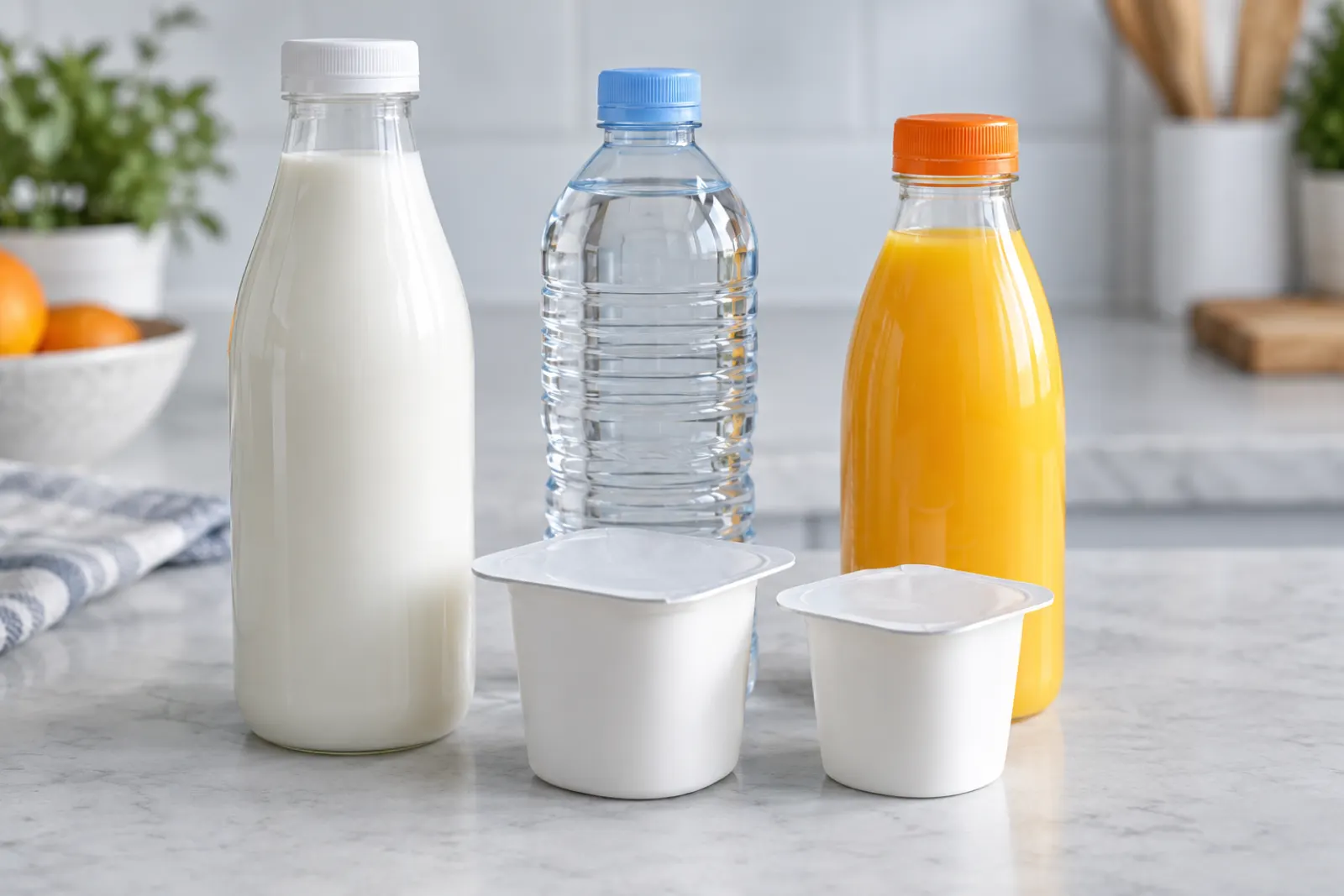
Read the guideA product determines its package more than the other way around. Milk, yogurt, water, and juice each bring different handling, temperature, and cleaning requirements, and those requirements narrow the choice of container and equipment.
Each application guide starts from the product and works toward formats, line steps, and the points that need project-specific validation. They are planning aids, not process specifications.
Packaging projects go wrong most often when they start with the container or the machine. A product’s temperature, acidity, viscosity, particulates and sensitivity to light decide how it must be preserved, and the preservation approach decides which formats are workable. Only then does a question about equipment make sense. The four application guides in this section follow that order, and the diagram summarizes it. Start with the product, not the machine.
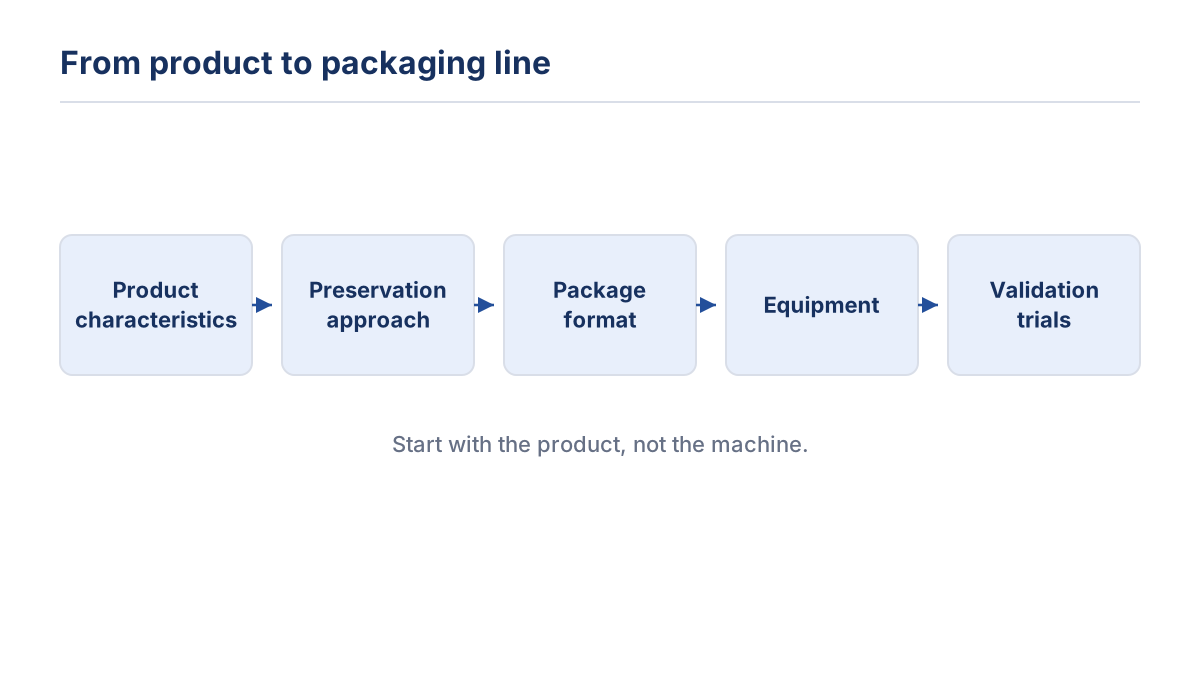
Each guide describes concepts from published sources and stops short of promising a shelf life. Heat treatment, process lethality and shelf-life claims belong to the processor, its process authority and its regulator. What the guides do provide is a way to write the product down in ranges, to see which container and closure options remain, and to prepare the equipment conversation with the right facts.
The guides also share a habit: write product facts as ranges, mark which are fixed, and send the same sheet to every supplier so responses can be compared.
Lists of “the five types of food packaging” rarely agree, because they mix three different ways of sorting packages: by format (bottle, carton, cup, pouch), by material (glass, PET, HDPE, paperboard, film, PLA) and by level (the pack the consumer buys versus the case and pallet around it). Keeping the three apart makes a packaging conversation easier, since each one is decided by different facts and involves different suppliers. The application guides in this section sort by format first, then name the materials and levels that matter for that product.
Scroll horizontally for any hidden columns →
| Format | Where it appears in these guides | What the format changes on the line | Read next |
|---|---|---|---|
| Bottle with a closure | Milk, bottled water, juice, drinkable yogurt | Filler type, capping head, labeling on cold or wet surfaces | Bottled water line, juice packaging |
| Gable-top carton | Milk | A different filling and forming system from a bottle line, plus light and cold-chain questions | Milk packaging |
| Cup or tub with a sealed lid | Set and stirred yogurt | Cup filling and lid sealing, and handling of sealed cups afterwards | Yogurt packaging |
| Pouch, flat or spouted | Milk, juice, squeeze yogurt | Film structure, seal strength and, for spouted pouches, fitment size | Bottle vs. pouch packaging |
The format follows from the product and its preservation route, as the diagram above shows. A product that is hot filled, packed before fermentation or sold through a long chilled route narrows the choice before any container catalog is opened. Material choices inside each format, such as PET, HDPE, glass or PLA for a bottle, are compared in the materials section. Solid foods that travel as one piece, such as bars, bread and cheese blocks, are often packed in a further format, a flow wrap sealed around the product; the guide to which foods are flow wrapped compares them food by food.
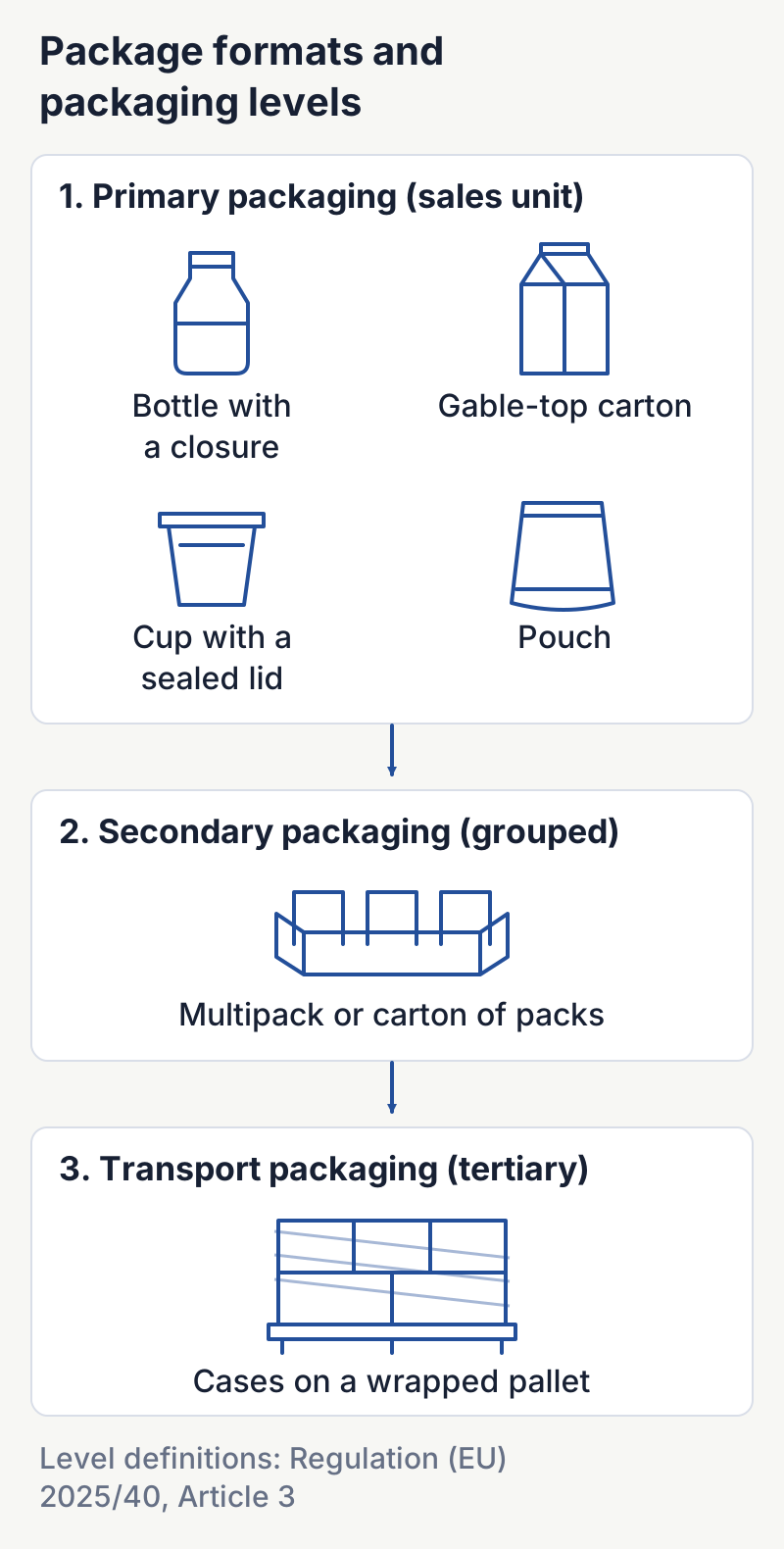
Packaging is usually described at three levels. The terms are informal in everyday use, so this page anchors them to a published legal definition. The EU Packaging and Packaging Waste Regulation (Regulation (EU) 2025/40, Article 3) defines sales packaging as packaging conceived to form a sales unit for the end user at the point of sale, grouped packaging as packaging that groups a number of sales units and can be removed without affecting the product’s characteristics, and transport packaging as packaging that eases handling and transport of sales units or groupings to prevent damage, excluding road, rail, ship and air containers. In common industry language these are primary, secondary and tertiary packaging. The regulation is EU law and is cited here only for its definitions; US buyers should use the terms their customers and retailers specify.
Scroll horizontally for any hidden columns →
| Level | Typical example in these guides | Who usually specifies it |
|---|---|---|
| Primary (sales unit) | A capped and labeled bottle, a sealed yogurt cup, a carton, a pouch | Brand owner, with container and closure suppliers |
| Secondary (grouped) | A shrink-wrapped multipack or a carton of bottles | Brand owner and retailer requirements |
| Tertiary (transport) | Cases stacked on a pallet and wrapped for shipping | Logistics and the customer’s receiving requirements |
The same item can sit at different levels depending on how it is used: a case that goes straight onto a store shelf acts as grouped packaging, while the same case shipped to a warehouse is transport packaging. For a line project the levels matter because each one adds stations. The bottled water line guide describes grouping bottles into cartons or multipacks after labeling, which is secondary packaging, before palletizing.
The same regulation describes packaging as items used for the containment, protection, handling, delivery or presentation of products. Those five functions are a practical way to check a format choice: which of them is the primary pack doing, which are left to the case and pallet, and which one fails first if the format changes.
Scroll horizontally for any hidden columns →
| If your question is… | Start with | Then read |
|---|---|---|
| Bottle, carton or pouch for milk? | Milk packaging | Beverage bottle materials |
| Which cup or bottle suits my yogurt type? | Yogurt packaging | Yogurt cup filling and sealing |
| What stations make up a water line? | Bottled water packaging line | Liquid filling machine selection |
| Should I choose the juice container or the preservation method first? | Juice packaging | Bottle vs. pouch packaging |
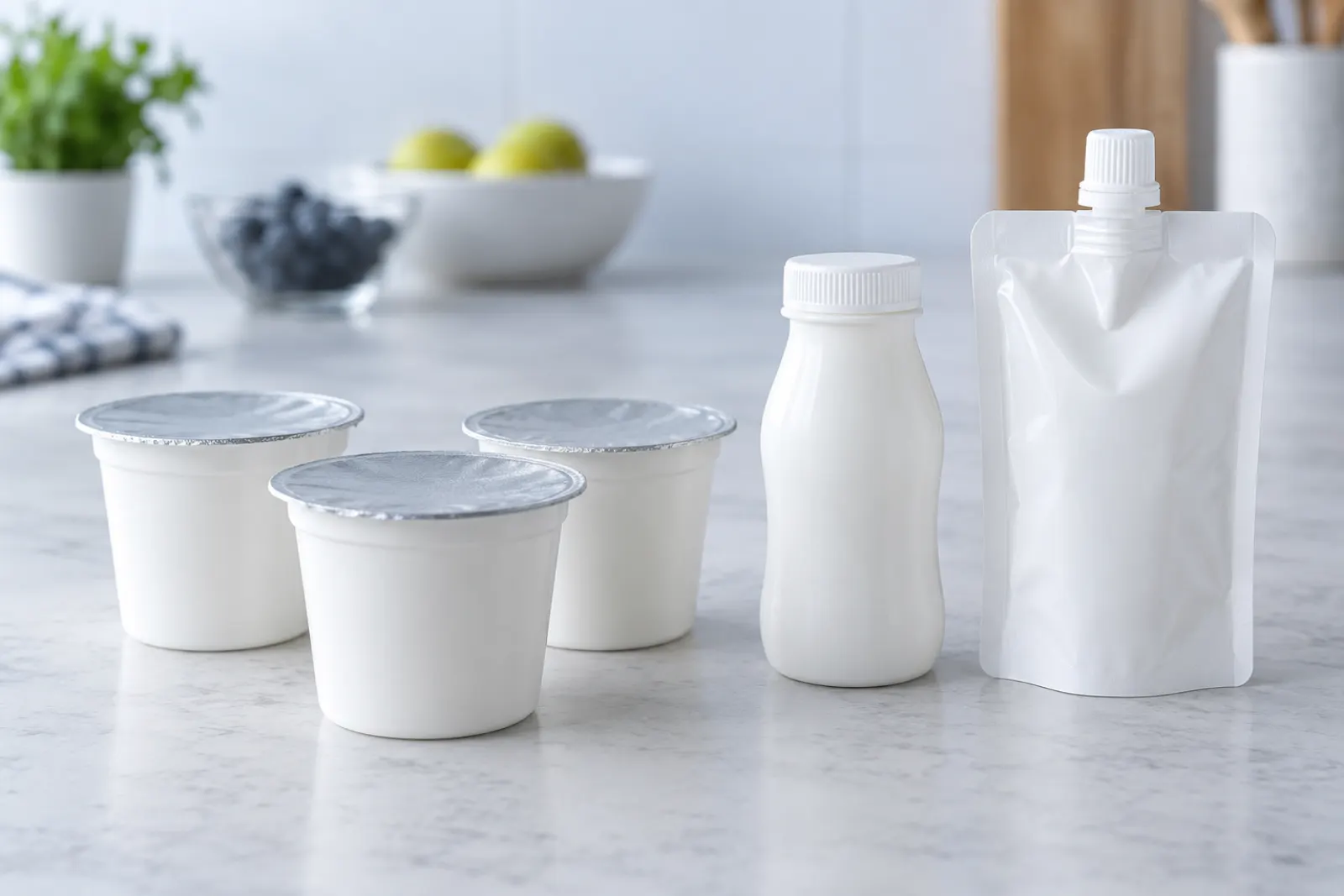
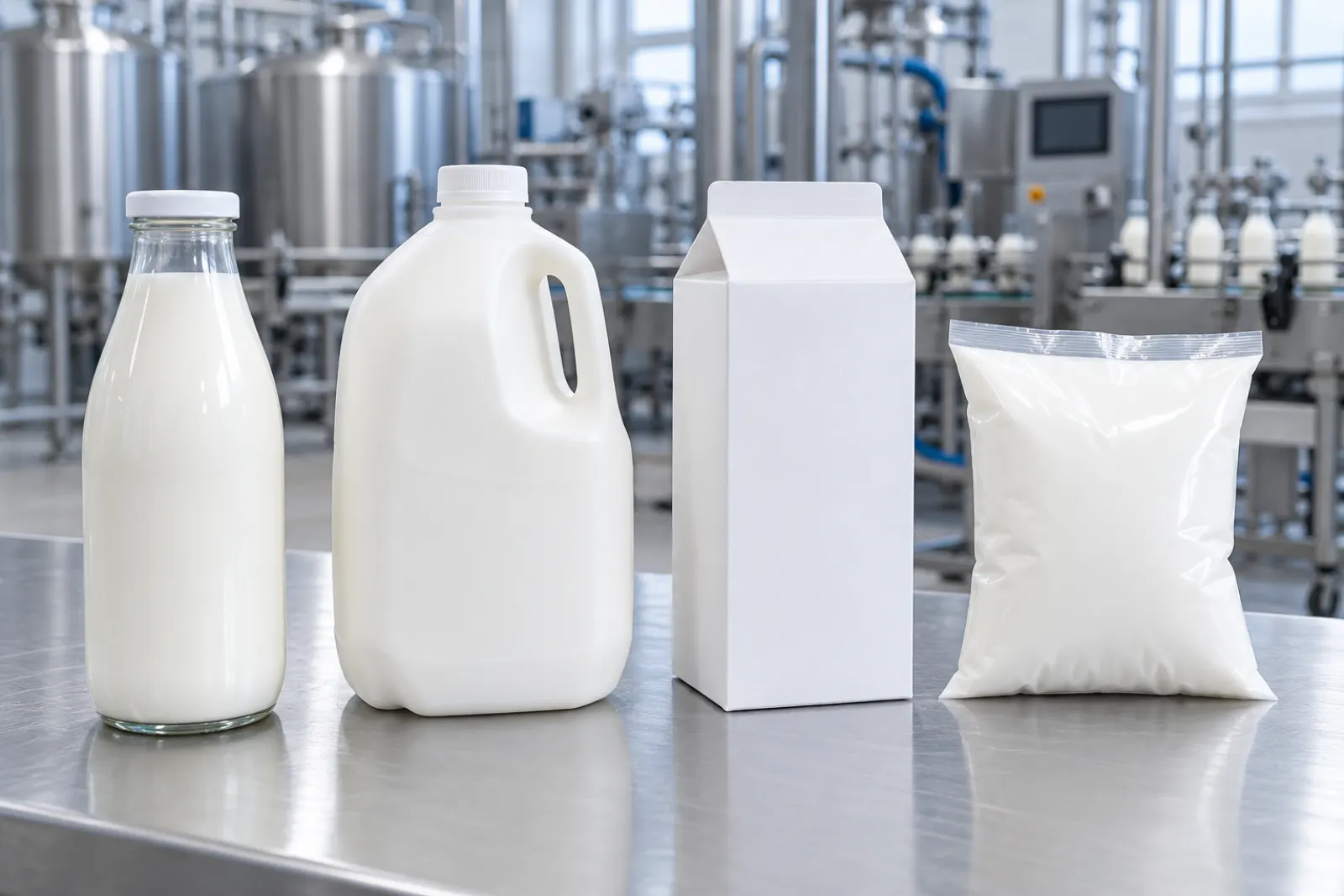
The milk packaging guide recommends deciding four things in sequence: the product category (pasteurized, ESL or UHT aseptic), the distribution conditions, the container format, and only then the equipment. It treats light exposure and cold-chain handling as constraints that are often underweighted, and compares bottles, gable-top cartons and pouches by what each means for the plant.
The yogurt guide starts with whether the package is filled before or after fermentation. Set yogurt is packed first and fermented in the package, while stirred yogurt is fermented in tanks and then filled. Drinkable yogurt behaves like a liquid and follows bottle decisions, and squeeze formats bring spout limits on particle size. The guide says its table is a framework, not a specification.
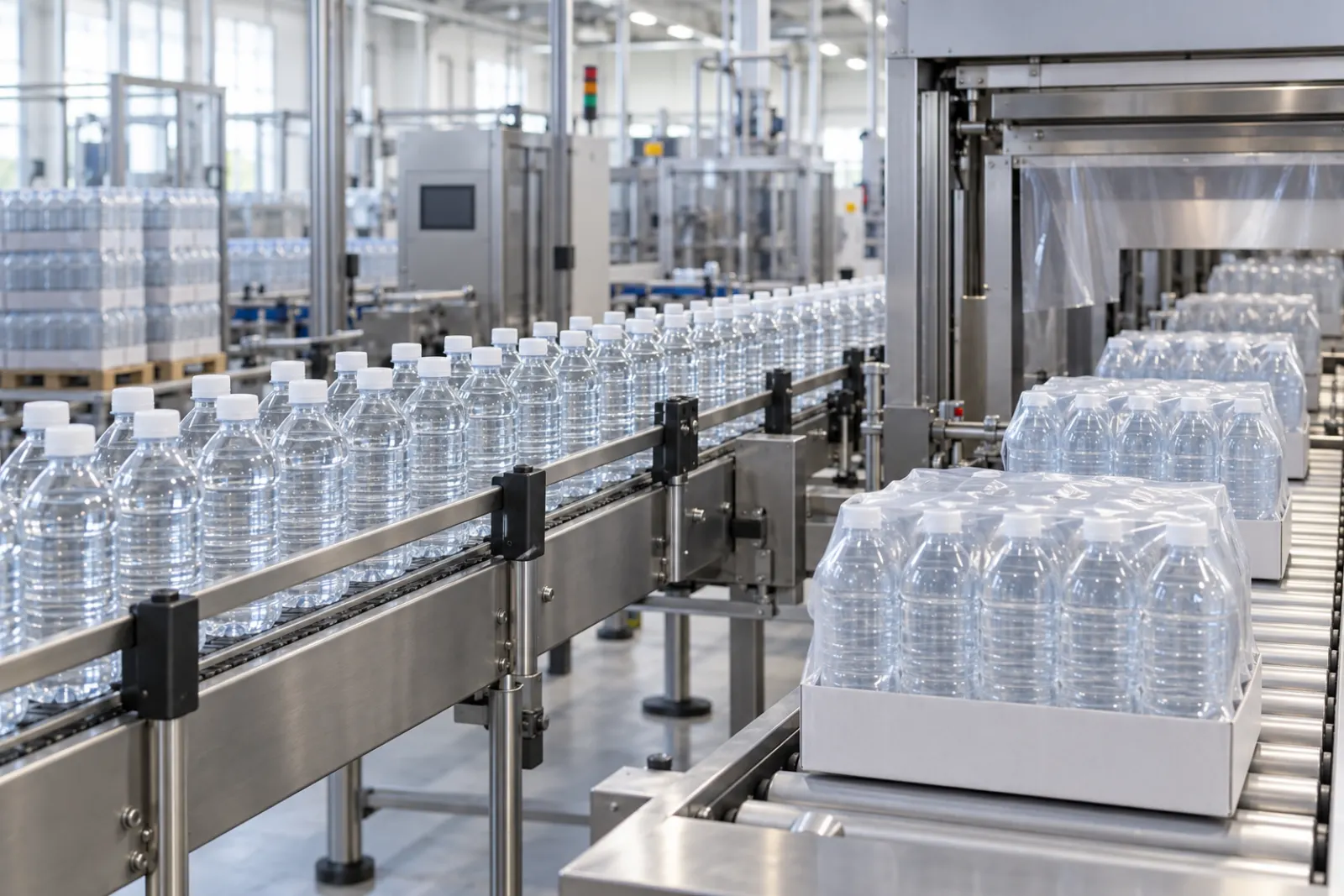
The bottled water line guide walks the line from container supply through rinsing, filling, capping, inspection and labeling and coding, and treats water treatment as an upstream system outside its scope. It points out that a line delivers only what its slowest station, its transfers and its stoppages allow, so the interfaces between stations belong in the quotation request.
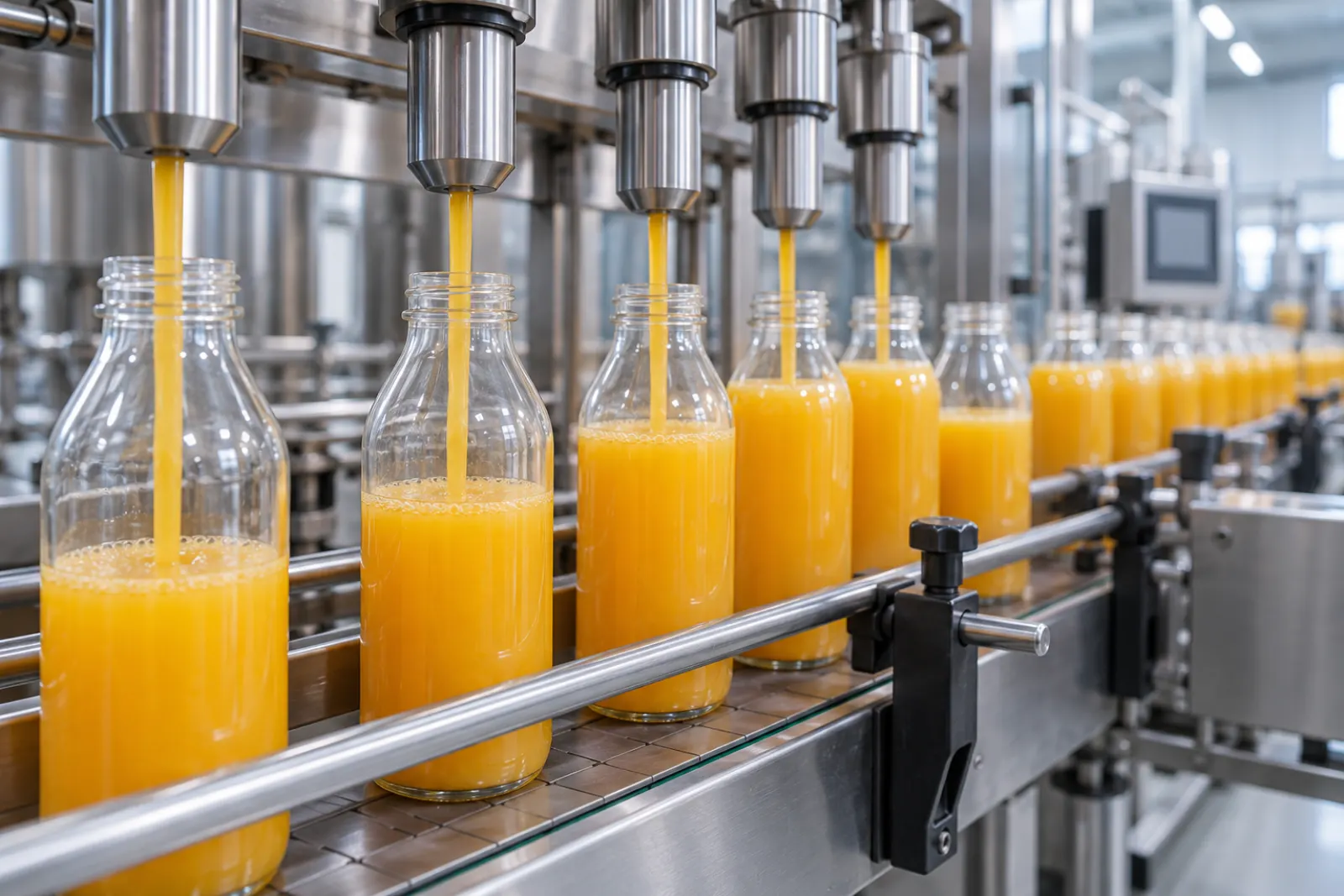
According to the juice packaging guide, the filler follows from the container, the container follows from the preservation approach, and the preservation approach follows from the product. It also notes that the processor, not the machine supplier, owns the question of whether the whole system meets the required pathogen reduction under FDA’s juice rule, and that a process authority should be involved.
After the product and package format are clear, the equipment section explains how filling, capping, labeling and sealing machines work and how they connect, so you can prepare for supplier conversations with specific questions.
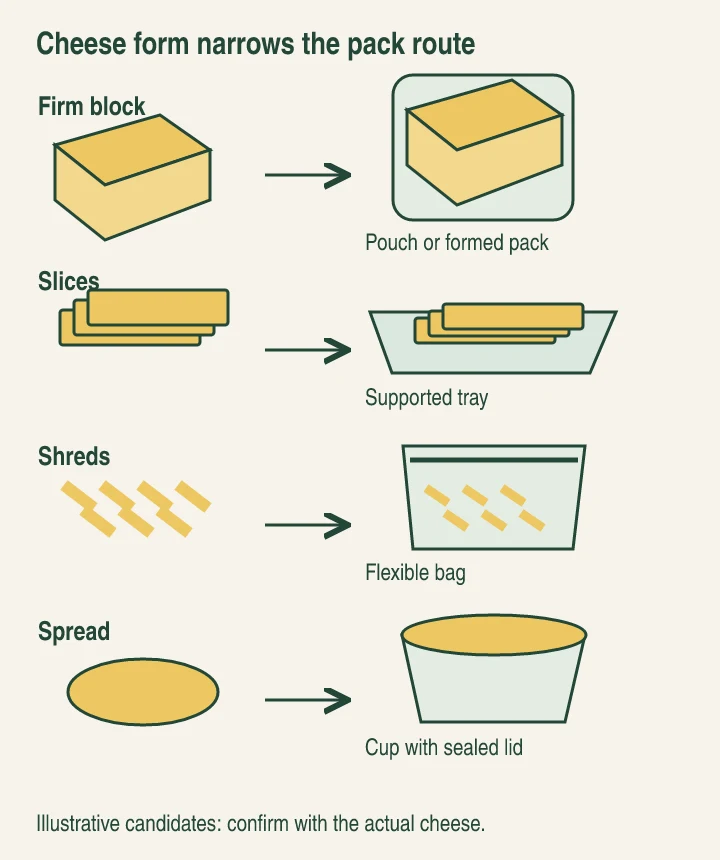
For blocks, slices, shreds and spreads, the cheese packaging guide connects the product form to candidate materials and equipment, with a trial brief for comparing proposals.
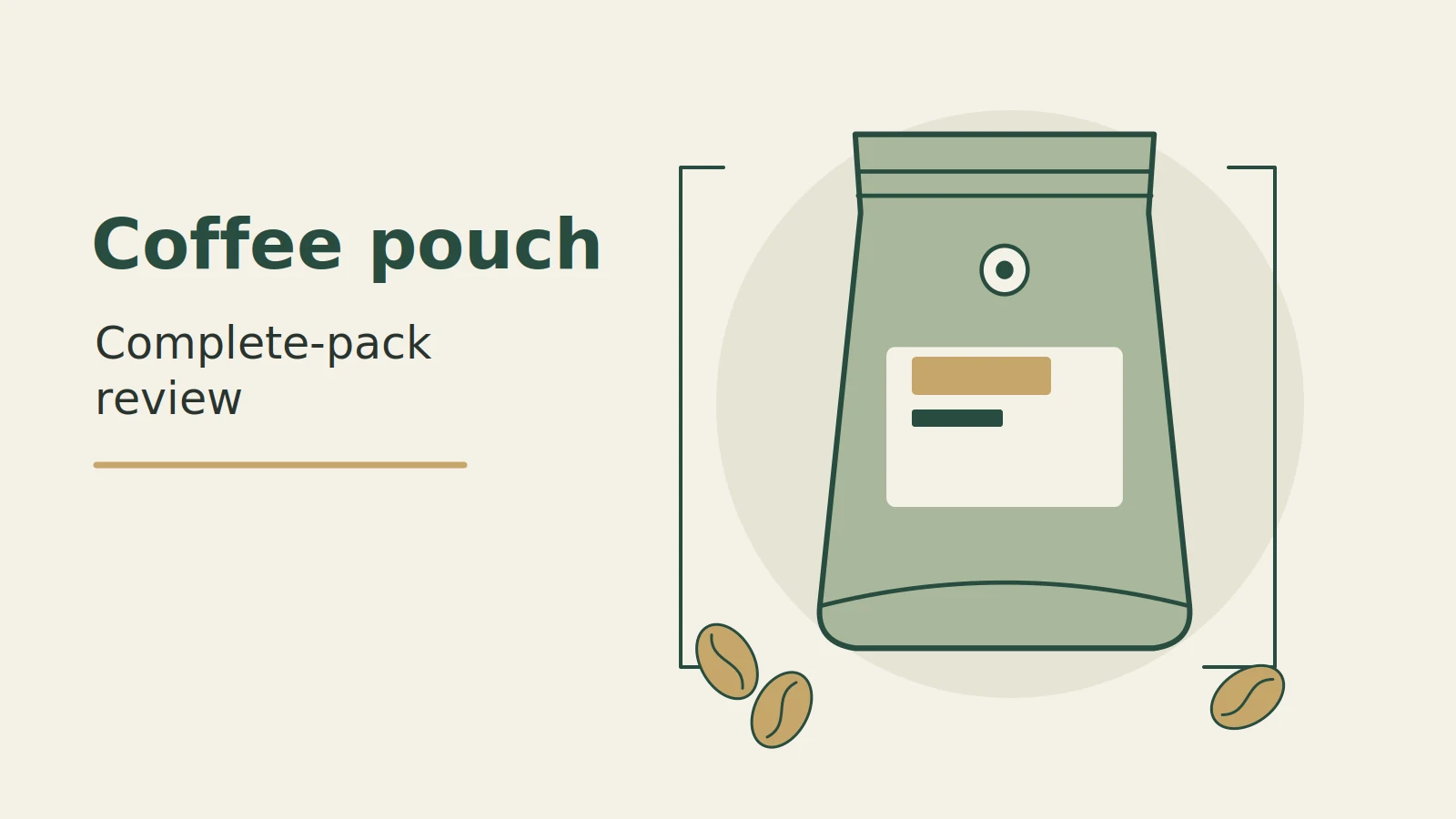
For small coffee runs, the SunDance coffee valve pouch review separates valve function, printed-pouch ordering and complete-pack validation.
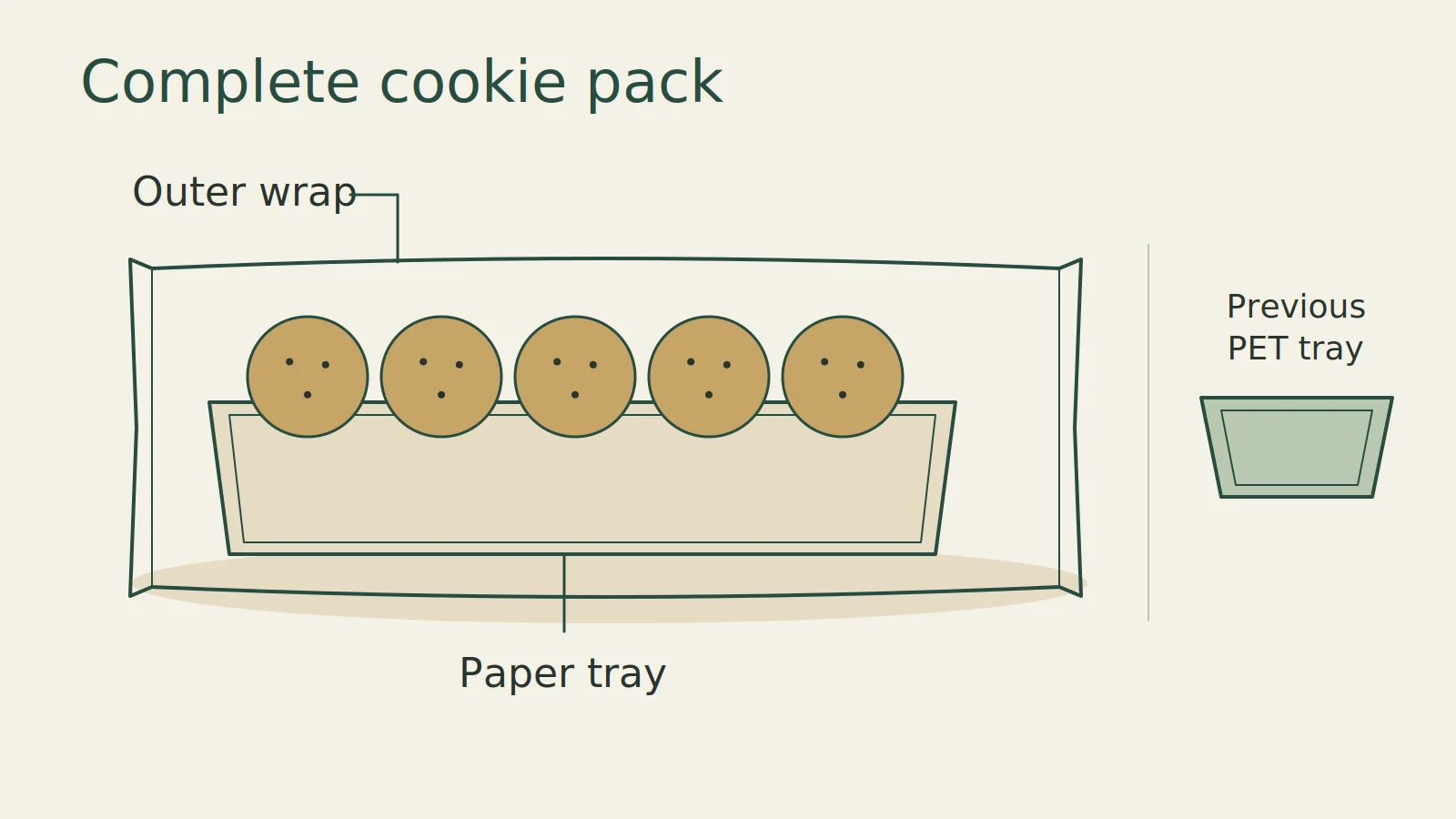
For support trays inside a wrapper, the Mondelez paper cookie tray review explains the announced plastic-comparison boundary and the checks needed for another product.
How to choose a milk packaging format by heat treatment, cold chain and light exposure, and what bottle, carton and pouch formats mean for filling equipment.
Read the guideMatch yogurt packaging to product type: set, stirred, drinkable or squeeze. Compare cups, bottles and spouted pouches and their filling and sealing needs.
Read the guidePlan a bottled water packaging line from container supply to palletizing: rinsing, filling, capping, labeling, coding and the interfaces between stations.
Read the guidePlan juice packaging product-first: chilled, hot fill, HPP or aseptic, then container and filler. Concepts only; process validation stays with the processor.
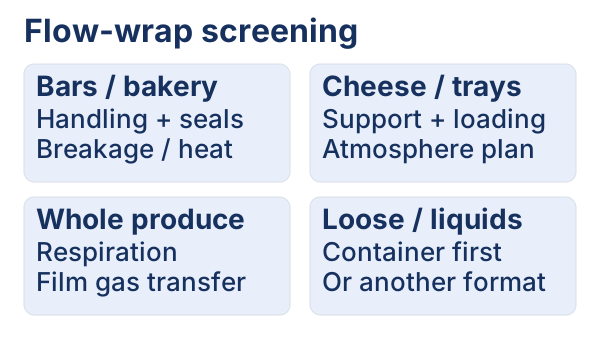
Read the guidePoor conveyor handling or a mismatched seal can damage food. Screen flow wrapping by solid unit, stack or tray, then check film and atmosphere.
Read the guideThe wrong cheese pack can damage texture. Match cheese form and ripening needs to a package, then check the material and equipment together.
Read the guideMondelēz’s European cookie-tray announcement compares plastic across the old tray and outer wrap. Read the projection and build your own pack-validation plan.
Read the guideSunDance has announced digitally printed coffee valve pouches. Separate valve function, whole-pack validation and small-run order questions before choosing.
Read the guide