
Mondelez Paper Cookie Trays: What the Plastic Reduction Means
Mondelēz’s European cookie-tray announcement compares plastic across the old tray and outer wrap. Read the projection and build your own pack-validation plan.
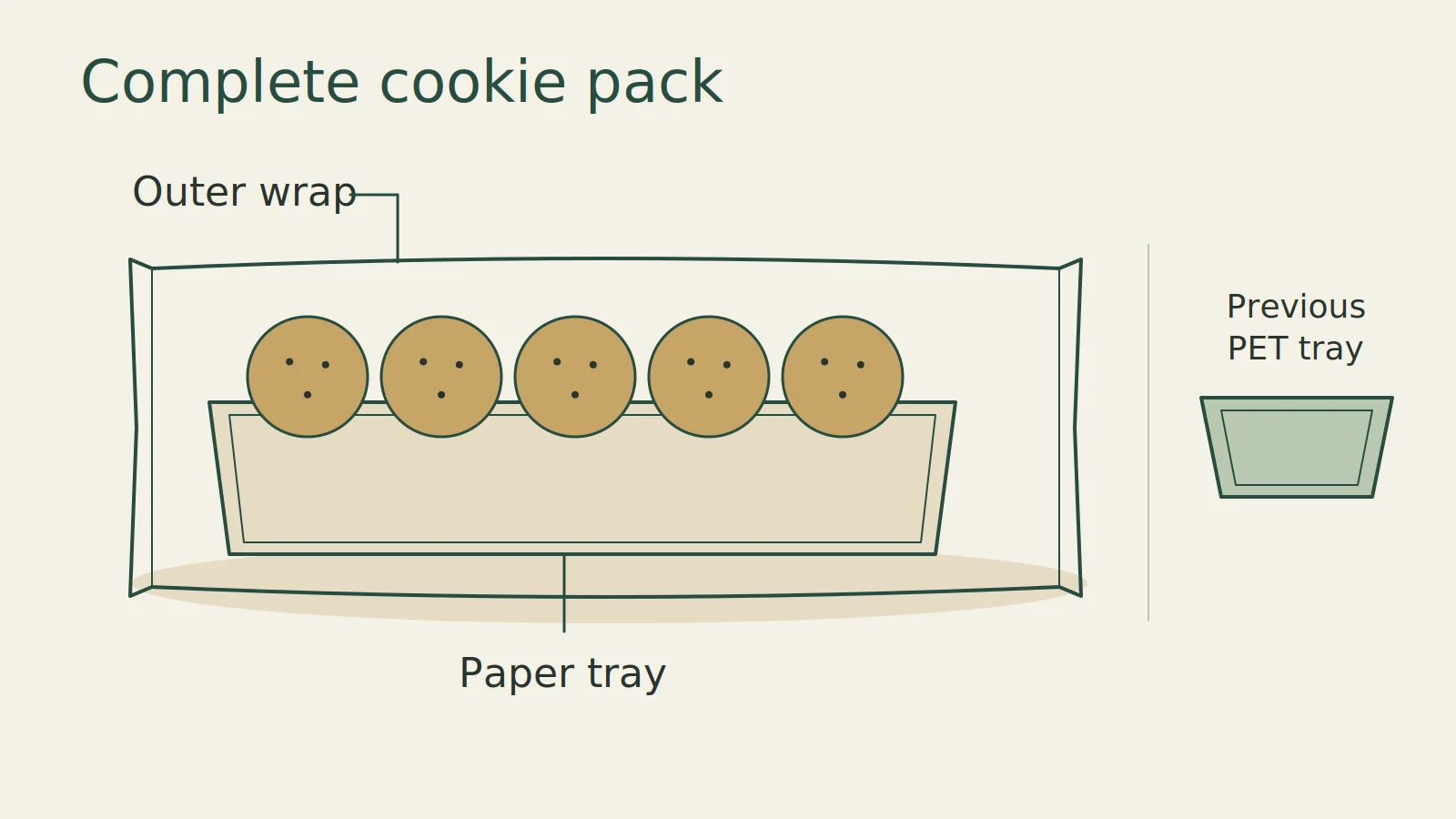
What this article covers
Understand the announced European paper-tray change, its full-pack plastic baseline and the evidence other food brands need before a conversion.
Covered
- Company announcement and reduction baseline
- Cookie-pack functions and production checks
- Timing, certification scope and open questions
Not covered
- US rollout or supplier availability
- Independent verification of savings or performance
- Recycling-rate and cost claims
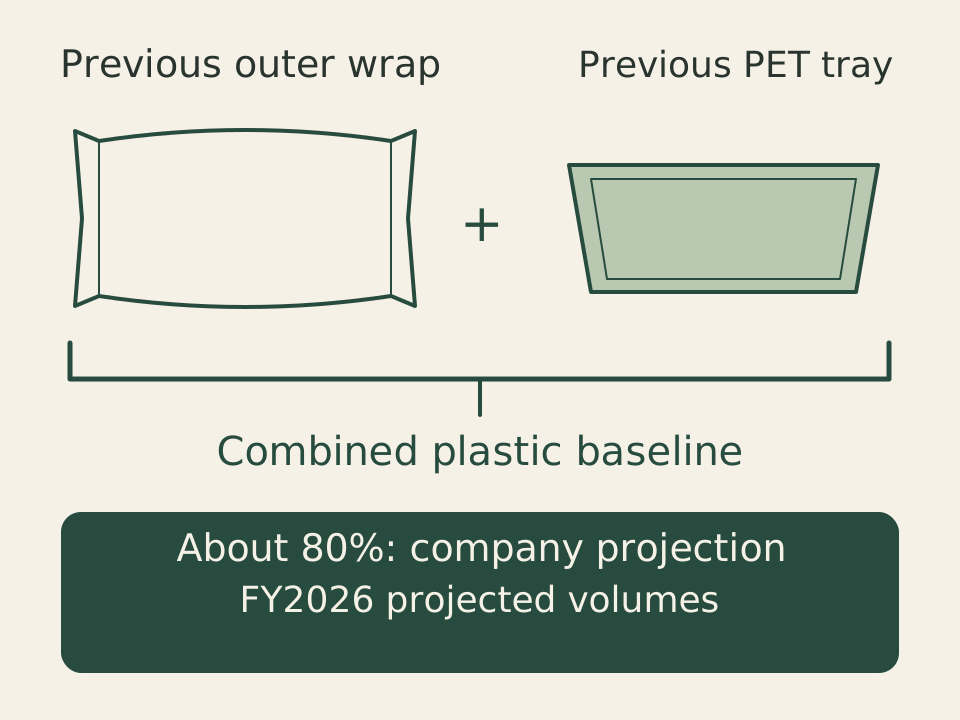
A paper-tray decision can damage a packaging comparison if the plastic-reduction percentage is assigned to the wrong parts of the pack. Mondelēz has announced a European cookie-tray change; its roughly 80% figure compares the previous outer wrap and PET tray together, using projected production volumes.
For US food brands reviewing Mondelez paper cookie trays, the useful result is a defined comparison boundary and a project evaluation plan. The announcement does not demonstrate equivalent performance on another brand’s line or establish a US rollout. Our reading separates the support tray from the complete food pack, then identifies the food, production and claims records needed before a change. Use the food packaging applications guides to keep that review specific to the actual product.
- The reported initiative concerns the company’s European cookie range.
- Annual plastic reduction is a company projection, not a reported independent measurement.
- The baseline includes the former outer wrap and rigid PET tray together.
- Paper sourcing, recycling acceptance and food-pack performance require different evidence.
What did Mondelēz announce?
In its September 4, 2026 UK release, Mondelēz said it had replaced rigid PET trays with FSC-certified paper trays across more than 115 cookie products, eight brands and over 25 European markets. The release describes an expected annual reduction of about 2,200 “tons” of virgin plastic. We retain its unspecified tons convention without converting it to metric or US short tons.
Scroll horizontally for any hidden columns →
| Announced scope | Company description | Boundary for this review |
|---|---|---|
| Product category | European cookie range | Not all food or all regions |
| Package change | Rigid PET tray replaced by paper tray | Does not establish an all-paper pack |
| Annual impact | Expected virgin-plastic reduction | Projection, not independent operating measurement |
| Percentage | Roughly 80% compared with previous plastic packaging | Previous outer wrap plus tray combined |
The September release supplies the event and claim scope. Its footprint is not a generic purchasing specification for paper trays. An early assessment needs the proposed design, intended cookie product and operations record. The flow-wrapped food guide offers context on support trays and wrappers without identifying this initiative’s particular machine configuration.
Takeaway: Use the announcement as a scoped company example, not a verified conversion result for another site.
What does the plastic-reduction percentage measure?
It compares plastic used in the previous outer wrap plus PET tray combined. The official release’s footnote also identifies projected FY2026 production volumes. That denominator matters: neither a tray-only percentage nor a reduction in complete-pack mass or carbon emissions can be inferred from the announced plastic figure.
Scroll horizontally for any hidden columns →
| Interpretation | Supported by the release? | Reason |
|---|---|---|
| Reduction against the previous wrap-and-tray plastic total | Yes, as the company’s projection | Footnote defines the prior packaging boundary |
| The tray alone uses 80% less plastic | Not established | The published denominator includes outer wrap |
| All plastic has been removed from the complete pack | Not established | Tray replacement does not define every component |
| The package has an 80% lower carbon footprint | Not established | Plastic quantity is not a life-cycle carbon result |
Our editorial recommendation is to draw the old and proposed pack boundaries before recording a percentage. List the support tray, outer wrapper and any other components in each design. Identify which quantity is being compared: virgin plastic, total plastic, total packaging material or another declared measure. Keep the basis attached to the claim rather than compressing it to “paper saves 80%.”
The materials overview helps distinguish a material from a complete construction. The PLA versus PET comparison illustrates why changing material names alone does not establish comparable performance; its bottle discussion is not a cookie-tray specification.
Common mistake: Applying the announced percentage to only the tray or treating it as a whole-pack carbon reduction.
Takeaway: Preserve both the old wrap-plus-tray denominator and the projected-volume basis.
Who should examine the change, and why?
The direct scope is Mondelēz’s European product and packaging operation. Other cookie and bakery brands have a reason to study the documentation questions, but the release does not establish what their own plants would achieve. For a US team, this is an assessment example rather than evidence of local deployment or supplier availability.
Scroll horizontally for any hidden columns →
| Team or situation | Decision the example raises | Record needed for your project |
|---|---|---|
| Cookie packaging development | What supports the product in the revised pack? | Actual tray and wrapper drawings |
| Food technical team | Does the complete pack protect the intended food? | Product-specific evaluation plan |
| Packing-line operations | Can the design be handled and loaded as planned? | Trial on proposed line conditions |
| Procurement | What material and conversion work would change? | Written design-specific scope and commercial terms |
| Sustainability and claims | Which statement can be supported? | Defined boundary, sourcing records and disposal evidence |
Discuss the support function before the material target. A tray that presents or separates cookies and an outer pack that closes the system are different parts of the design. Their roles need separate questions. The food pouch formats guide provides a useful comparison of shape, construction and preservation choices, but does not substitute for a cookie-pack trial.
Takeaway: Other brands should copy the questions and evidence discipline, not the claimed outcome.
What should a cookie-pack trial examine?
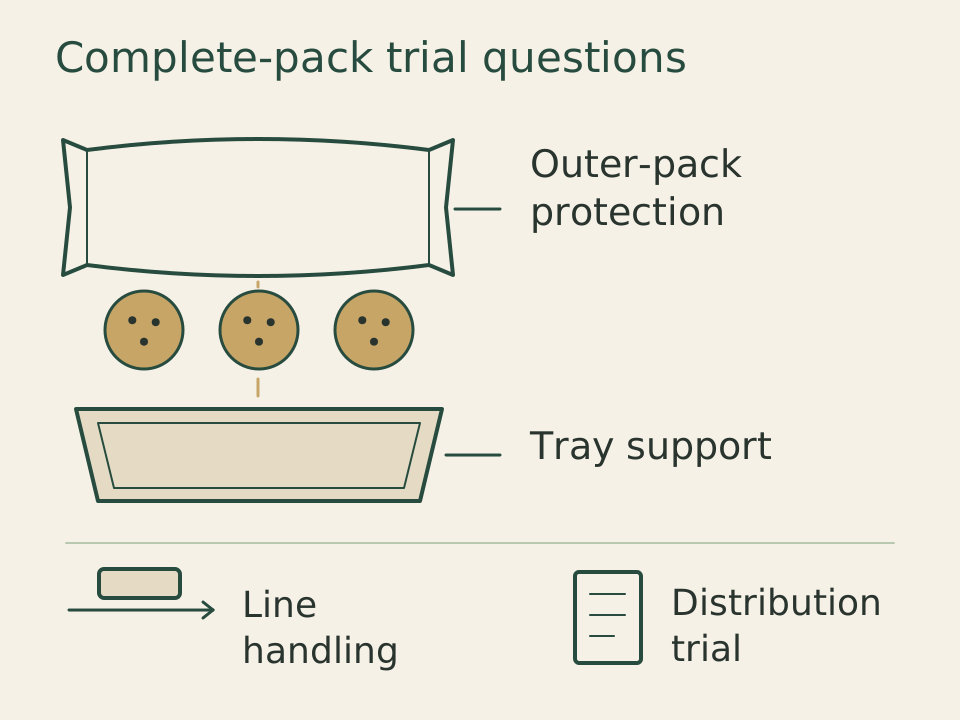
Evaluate support, closing, handling and distribution using the actual proposed design. The announcement contains no test record proving paper and PET equivalent on those functions. The following is our suggested review matrix; it deliberately sets no breakage, barrier, speed or shelf-life threshold. Agree the assessment conditions with the responsible technical teams.
Scroll horizontally for any hidden columns →
| Function or interface | Question to answer | Evidence to keep |
|---|---|---|
| Tray support | Does the tray hold the cookie arrangement through intended handling? | Design review and trial observations |
| Outer-pack protection | What construction and closing system will be used? | Specification and finished-pack evaluation |
| Tray feeding/loading | What changes to forming, feeding or product placement are needed? | Engineering review and representative trial |
| Conveying and wrapping | Which transfers and pack orientations are affected? | Interface record and agreed line trial |
| Distribution | How will the pack be assessed for its intended route? | Defined transport/storage evaluation |
| Food condition | Which food-quality questions need assessment? | Food technical team’s documented plan |
Keep a trial’s operating conditions with its result. A hand-packed prototype is useful for some design questions, but it does not by itself settle automated feeding or distribution. The packaging FAT checklist offers an acceptance-record structure for equipment; use its documentation discipline without presenting it as approval of the food pack.
The tray-sealing equipment guide helps define tray and closing interfaces where those operations are relevant. It is not evidence that the reported cookie initiative uses a tray sealer. The equipment overview helps assign each actual line function to its owner.
Takeaway: Plan a representative complete-pack evaluation before extending the company example to your line.
When should another food brand act?
There is no industry deadline in this announcement. Mondelēz’s stated global target concerns a 25% reduction in virgin rigid plastic by 2030 against 2020; it is the company’s own target, not a mandatory date for other brands. Your decision timing should follow the documented product and production review.
Scroll horizontally for any hidden columns →
| Event or milestone | Date or status | Meaning for another brand |
|---|---|---|
| Official UK announcement | September 4, 2026 | Dated company example |
| This evidence review | October 8, 2026 | Claim boundary checked |
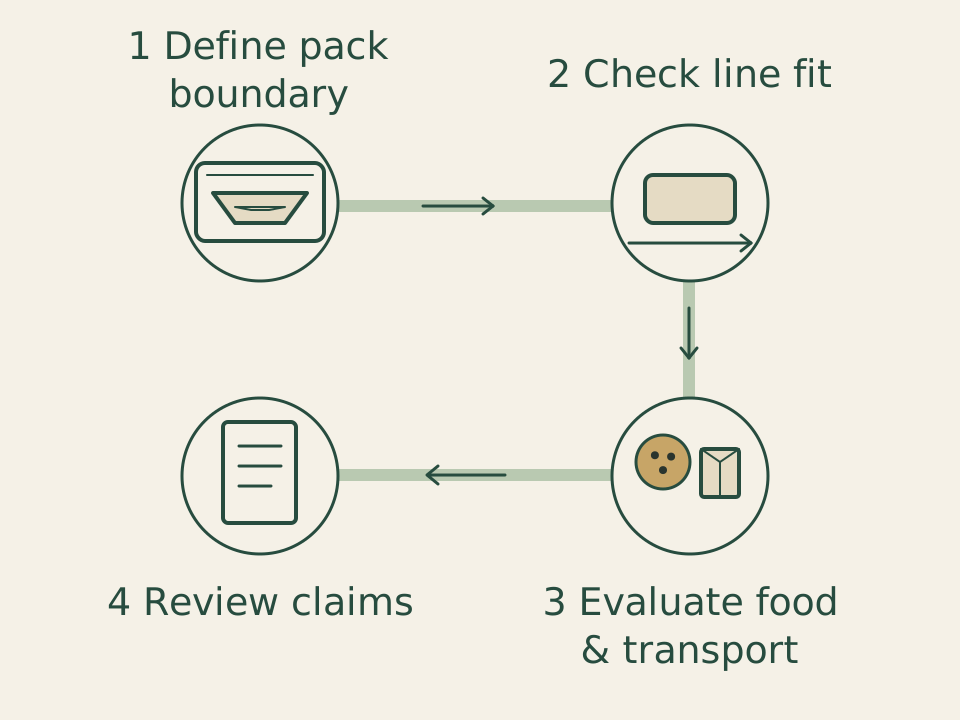
| Define your old and proposed pack | Project-specific | Establish what will be compared |
| Design, food and line evaluation | Project-specific | Test the actual candidate |
| Change and claims approval | After required evidence | No date inferred from the announcement |
Use the RFQ checklist to assign supply, integration and acceptance responsibilities if new line work is proposed. Keep material procurement and machine modification distinct in the packaging line budget. No published project figure here establishes that another conversion is cheaper or avoids equipment work.
Takeaway: Begin an evaluation when it serves your product plan; there is no deadline or savings result to import.
What remains open about sourcing and disposal claims?
Request evidence for each type of statement separately. FSC explains its labels in terms of forest-based sourcing and the relevant label categories. That does not establish this tray’s food performance, the finished pack’s local recycling acceptance or a measured recycling rate. The release’s certification description is not enough to identify the exact certificate and complete-pack scope.
Scroll horizontally for any hidden columns →
| Claim or missing item | Who should clarify it | Evidence needed |
|---|---|---|
| Paper sourcing/certification | Material supplier and brand claims owner | Exact label, certificate and product scope |
| Complete construction | Packaging supplier | Tray and outer-pack specification |
| Local recycling acceptance | Supplier and target collection program | Construction details and acceptance guidance |
| US rollout | Mondelēz | Region-specific confirmation |
| Performance or cost equivalence | Your project team and suppliers | Comparable trials and scoped commercial data |
EPA’s general recycling guidance points readers to local acceptance rules and distinguishes food-container contamination. It does not certify the announced cookie tray. Consult the compostable packaging guide when reviewing a disposal claim; paper appearance alone is not evidence of a composting route either.
Common mistake: Treating “FSC-certified paper” as a stand-alone claim of recyclability or food-pack approval.
Takeaway: Sourcing, recycling and performance each need their own supporting document and scope.
When this does not apply
The cookie-tray example cannot establish a substitution rule for wet foods, liquid dairy, heated products or other distribution systems. Review milk packaging or the relevant food-specific guide for those tasks. This page makes no assertion of equal barrier performance, lower cost, unchanged machinery or US implementation.
Use the source’s tons wording without silently changing units. Do not turn a projected annual figure into a measured site saving. The useful next step is a written definition of the current pack and candidate, followed by an evaluation plan with named owners.
Takeaway: This company example supports investigation, while your own food and line evidence decide the change.
FAQ
What is paper food packaging?
In this news item it is the paper support tray within a cookie pack, not necessarily an all-paper packaging system. The outer wrap remains a separate specification question. Identify the complete construction before making a material or disposal statement.
What paper is used for food packaging?
The release does not give a reusable grade, coating or construction specification for another buyer. Request the proposed tray material and intended-use documentation. The reported FSC sourcing description does not identify every feature needed to evaluate food or line performance.
What is the best food packing paper?
There is no universal choice established by this announcement. Define the food, support function, closing system and intended distribution first, then review the candidate’s documentation and trial results. The company’s conversion is not a ranking of paper against PET for all uses.
Method and evidence boundaries
This review follows the original UK company release and its now-readable footnotes, checked October 8, 2026. FSC and EPA supply general sourcing and disposal context, not validation of this specific tray. The role matrix and trial path are editorial suggestions. Media reporting is treated as a retelling, not independent verification. Sources and related guides appear below.
Sources and method
This article is based on documentary research of the sources listed. It is not a hands-on equipment test. Supplier statements and editorial judgement are identified in the text.
- Mondelēz International introduces paper trays across its UK and European cookies range 2026-09-04 company release; FY2026 projection; 80% denominator is previous outer wrap plus tray. Tons convention unspecified. Retrieved 2026-10-08.
- FSC labels Sourcing labels and their distinctions; not recyclability or certification of the complete cookie pack. Retrieved 2026-10-08.
- How Do I Recycle Common Recyclables? Paper food-container acceptance depends on contamination and the local program; no approval of this specific tray. Retrieved 2026-10-08.
Next reading
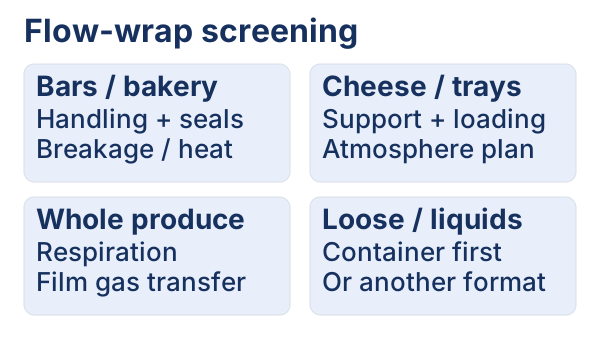
Which Foods Are Flow Wrapped? Bars, Bakery, Cheese and Produce Compared
Poor conveyor handling or a mismatched seal can damage food. Screen flow wrapping by solid unit, stack or tray, then check film and atmosphere.
Read the guide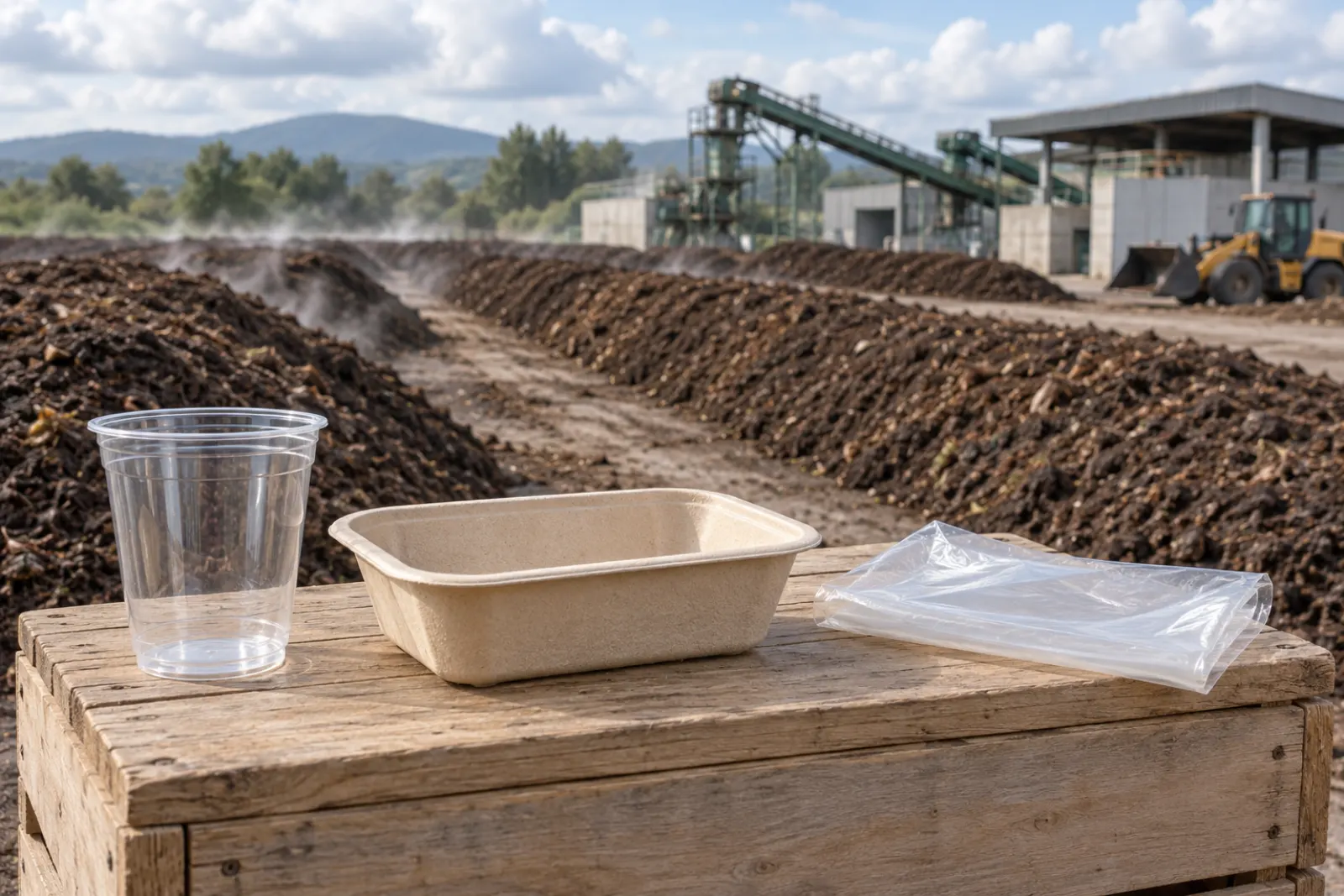
Compostable Packaging: Industrial Composting, Home Composting and Collection Systems
Compostable food packaging explained: bio-based vs biodegradable vs compostable, ASTM D6400 and BPI certification, FTC claim rules and the collection gap.
Read the guide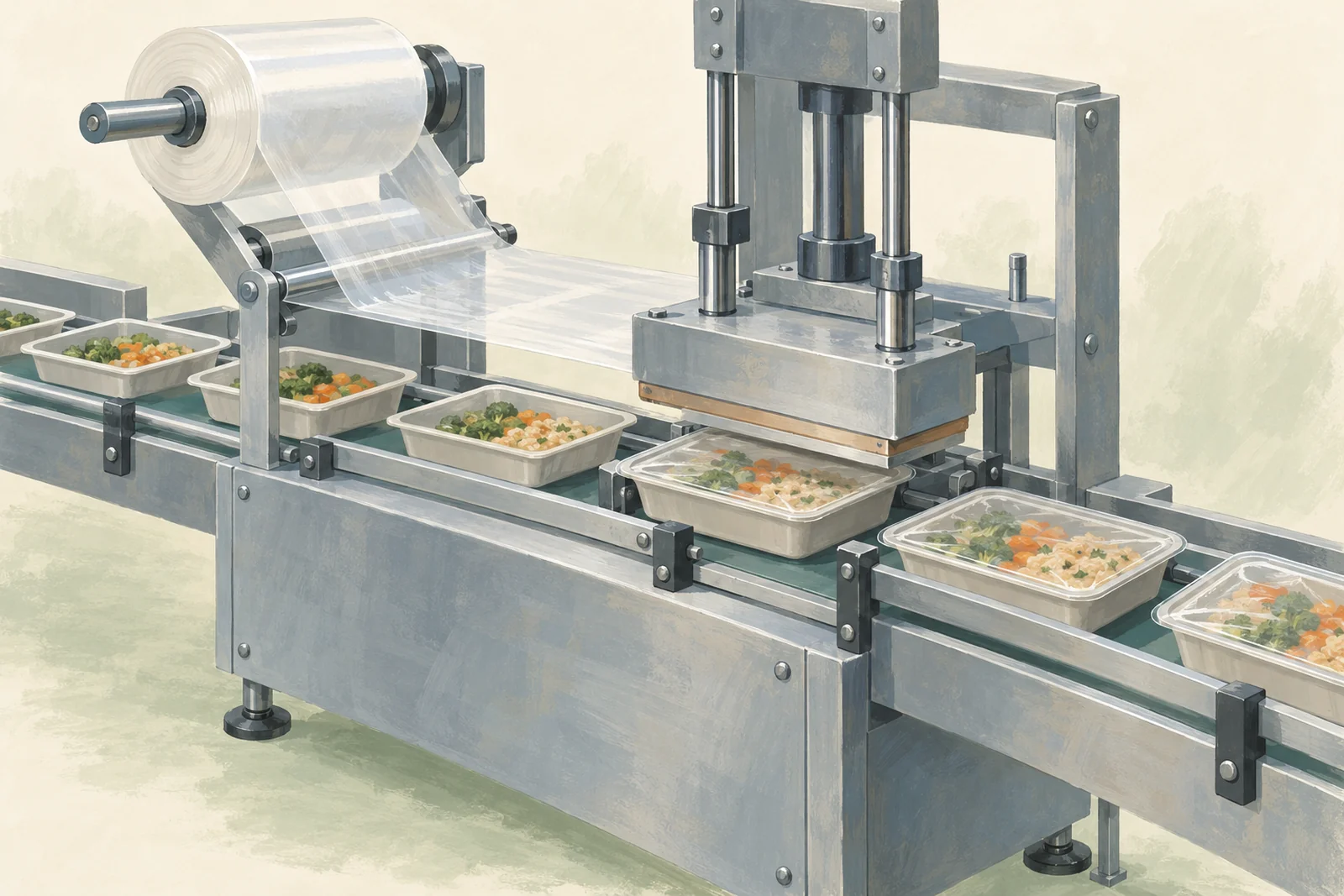
Food Tray Sealing Machines: How They Work and What to Check
A technical guide to selecting food tray sealers: manual vs inline automation, vacuum MAP gas flush technology, tray and lidding compatibility, and seal integrity validation.
Read the guideMore in Applications
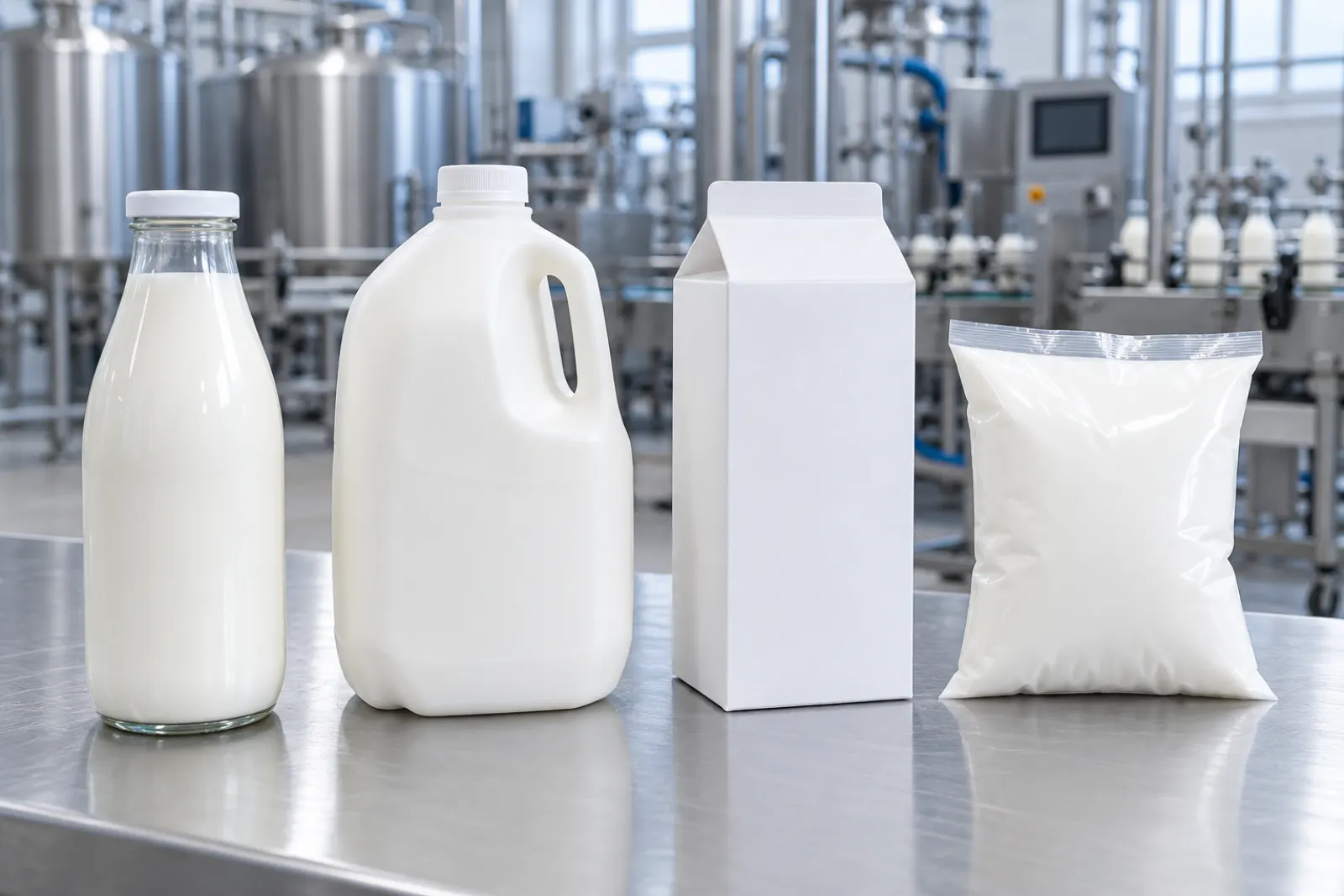
Milk Packaging Formats: Bottles, Cartons and Pouches
How to choose a milk packaging format by heat treatment, cold chain and light exposure, and what bottle, carton and pouch formats mean for filling equipment.
Read the guide
Yogurt Packaging: Cups, Bottles and Pouches for Different Products
Match yogurt packaging to product type: set, stirred, drinkable or squeeze. Compare cups, bottles and spouted pouches and their filling and sealing needs.
Read the guide
Bottled Water Packaging Lines: From Prepared Containers to Packed Cases
Plan a bottled water packaging line from container supply to palletizing: rinsing, filling, capping, labeling, coding and the interfaces between stations.
Read the guide