
Bottled Water Packaging Lines: From Prepared Containers to Packed Cases
Plan a bottled water packaging line from container supply to palletizing: rinsing, filling, capping, labeling, coding and the interfaces between stations.
What this article covers
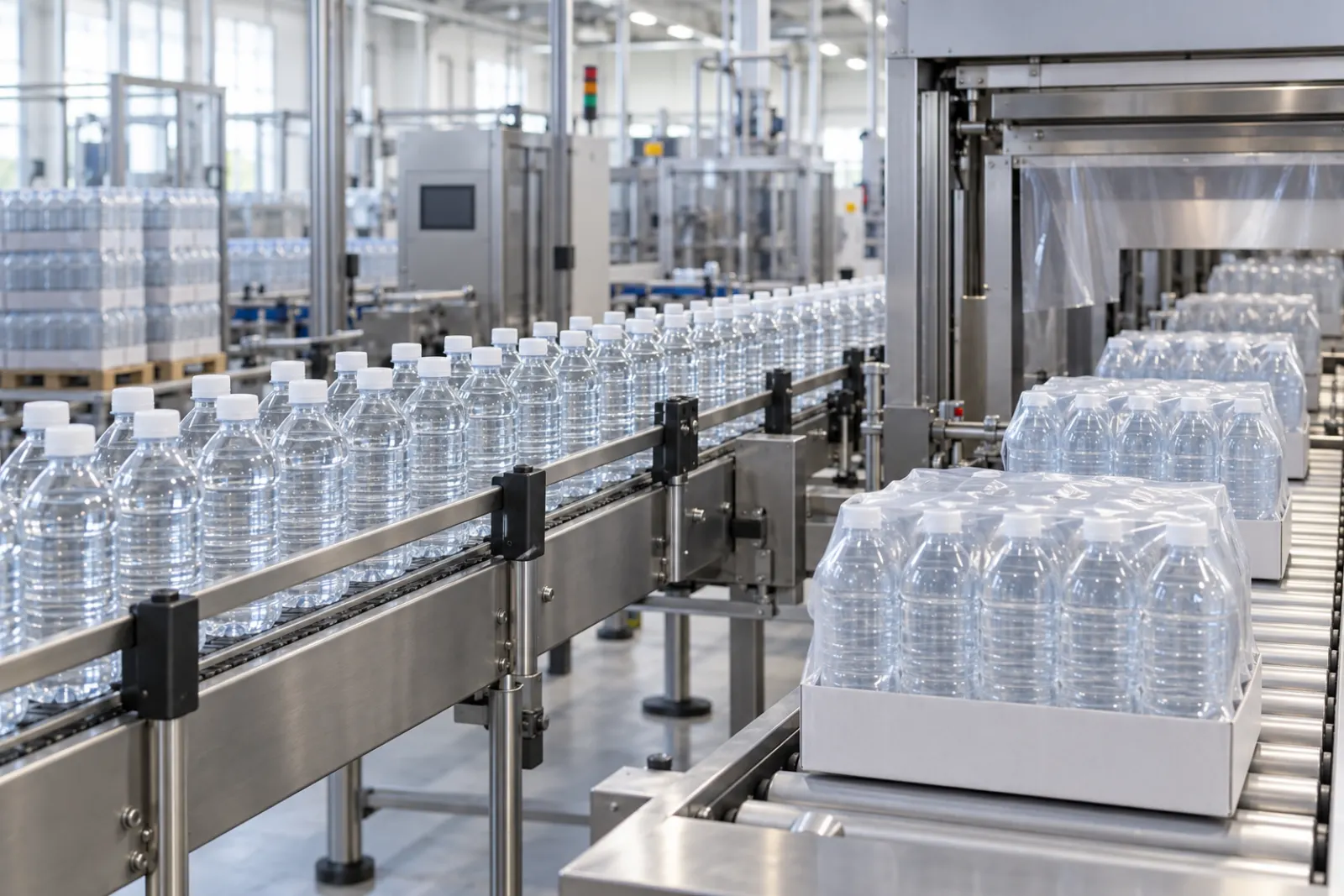
This guide helps plant managers and equipment buyers plan a bottled water packaging line as a sequence of stations and interfaces, from container supply to palletized cases, with water treatment treated as an upstream scope item.
Covered
- Station sequence from container supply to palletizing
- Interfaces, buffering and control between machines
- How the FDA bottled water rules relate to container, filling, capping and coding steps
Not covered
- Water source selection and water treatment design
- Shelf-life claims, microbial safety outcomes and consumer or nutrition topics
A slow station or repeated short stops can cut bottled-water output even when each machine’s rated speed looks adequate. Plan the line from container supply to packed cases, with four inputs agreed before selecting machines.
Scroll horizontally for any hidden columns →
| Input | Document or source | Decision |
|---|---|---|
| Container source | Bottle or preform drawings | Purchased bottles or in-house blowing |
| Still or carbonated | Product specification | Review filler and closure compatibility |
| Net output | Production plan, including stops | Balance stations and buffering |
| Interface responsibility | Layout and scope matrix | Name an owner for each handoff |
Water treatment is an upstream scope item: define the water delivered to the filler, but commission treatment design and source testing separately.
Step 1: Define the product and container
Three decisions fix most of the line.
- Still or carbonated: Supplier documentation from Alps Machinery describes gravity filling for still water and pressure filling for carbonated drinks. Carbonation changes the filler, the container strength requirement and the capping step.
- Container source: Either you blow your own bottles from preforms, or you buy empty bottles. Each has different upstream equipment and different contamination controls.
- Pack-out: Whether finished bottles leave in shrink-wrapped bundles, trays, corrugated cases or crates affects the end of the line.
For material choices see beverage bottle materials. If you are weighing a plant-based resin against PET, the container must be checked against the filler and capper before it is chosen.
Step 2: Understand what the rules attach to the line
Bottled water in the United States is regulated as a food. The Legal Information Institute’s text of 21 CFR 165.110 states that bottled water is water for human consumption sealed in bottles or other containers, and that processing and bottling must follow Part 129. This article does not interpret the regulation for any plant. It only shows where the text touches the packaging line.
The text of 21 CFR 129.80 states, among other points:
- Multiservice primary containers must be cleaned, sanitized and inspected just before filling, capping and sealing, and unsatisfactory containers reprocessed or discarded.
- Each unit package must be identified by a production code tied to a batch or segment of a continuous run and the day produced, and the plant must record product, volume, production date, lot code and distribution.
- During filling, capping or sealing, the performance of the filler, capper or sealer must be monitored, and filled containers inspected visually or electronically to confirm they are sound, properly capped or sealed, and coded and labeled.
- Containers and closures must be sampled and inspected for contamination, and the section includes a recommended periodic swab or rinse count.
The International Bottled Water Association describes its Code of Practice as industry standards that build on FDA good manufacturing practices and include HACCP. IBWA also states that member bottlers undergo an annual plant inspection by a third-party food safety organization. Those are statements about IBWA’s program, not requirements for non-members.
For line planning, this means the line should be able to rinse or clean containers as your process requires, apply a code, check closure and fill, and reject bad packs, with records. Ask your regulator and your process authority which of these are required for your product and container.
Step 3: Walk the line station by station
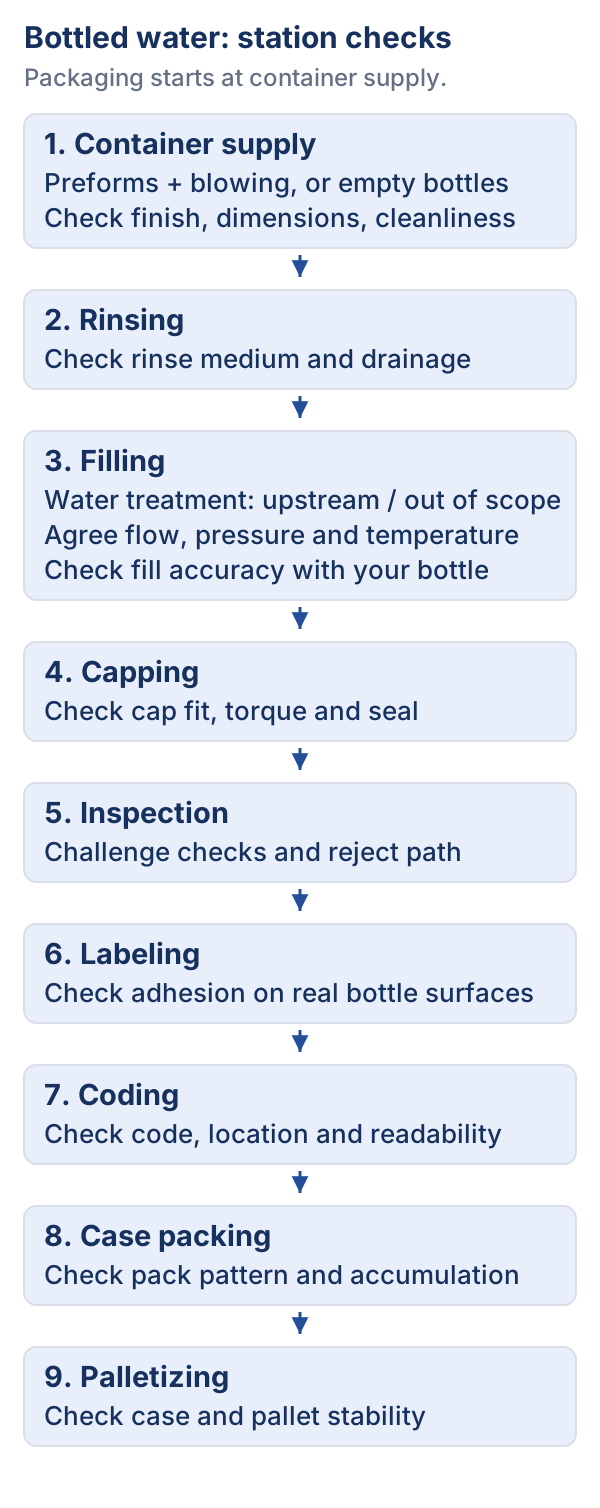
Container supply
Alps Machinery describes a line that begins with blowing PET preforms in heated molds with high-pressure air. A supplier article from Bottle-Fillingmachinery.com states that placing the blow molder near the filler reduces the risk of contamination during transport; it also describes air conveying of bottles to the filler. Lines that use pre-made bottles instead need an unscrambler or depalletizer, and Alps notes such lines rinse bottles with clean water, air or disinfectant sprays. Either way, container supply is an interface: neck finish, dimensional tolerances and cleanliness on delivery all come from outside the packaging line.
Rinsing
Alps describes cleaning with air jets or a purified-water rinse, and says some lines also sterilize with UV or hot water. The right choice depends on your container, your process and what your regulator requires. Ask the supplier whether the rinse medium is your treated water or another source, and how rinse water drains.
Filling
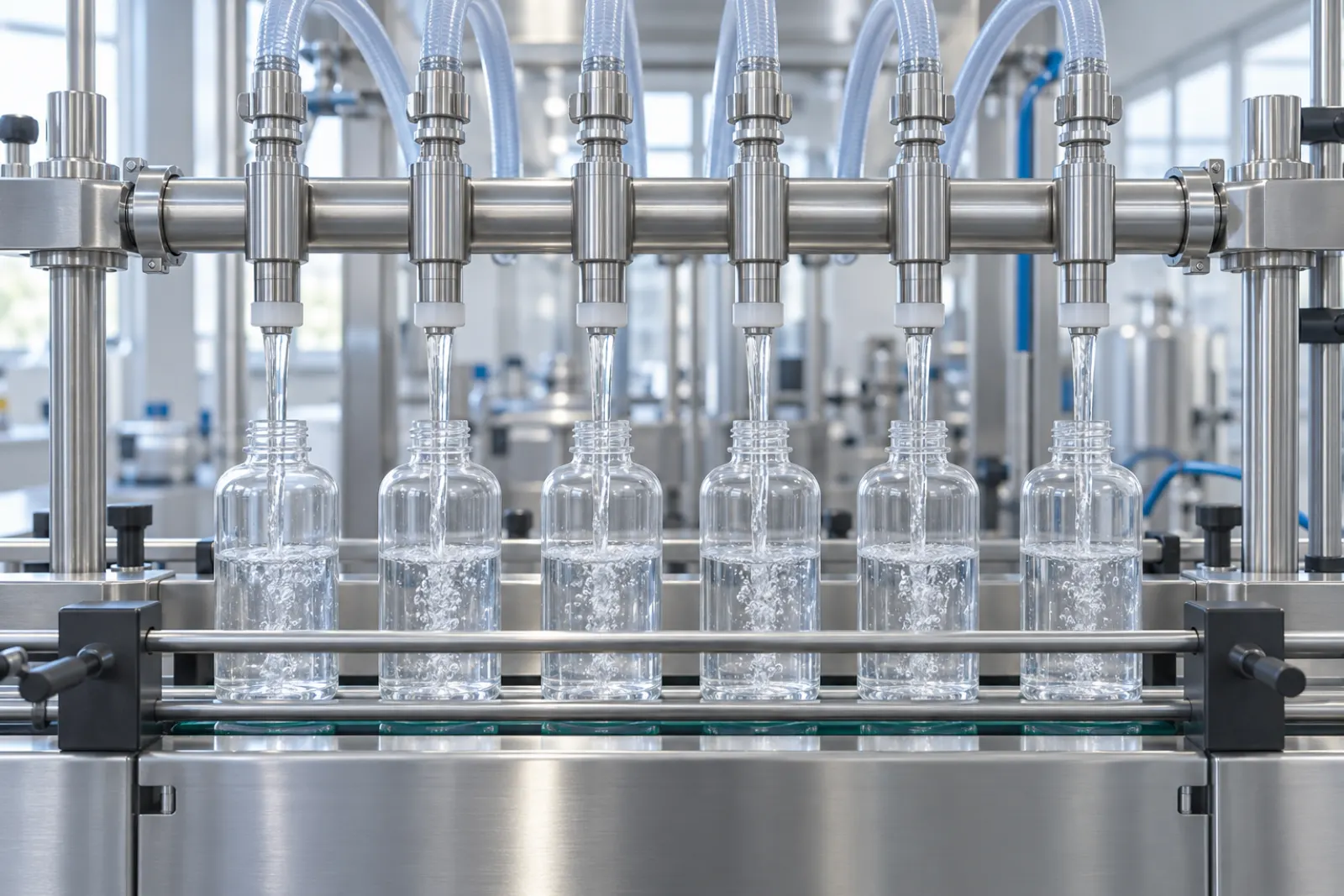
According to the Alps documentation, still water is filled by gravity and carbonated drinks by pressure filling, with “contactless nozzles” cited for accurate volume. For a systematic way to choose, see how to choose a liquid filling machine; liquid filling methods explains how metering principles differ. Water is a thin product, so the questions that decide the choice are usually bottle neck finish, container shape and stability on the conveyor, fill accuracy, changeover between sizes and cleaning.
Capping
Alps states that caps are sorted, sterilized and applied with controlled torque right after filling. Bottle-Fillingmachinery.com describes capping as part of a rinse-fill-cap monoblock, where rinsing, filling and capping are combined in one machine. A monoblock removes transfers but couples the three functions: a stop in one stops all. Match the cap to the bottle finish, using bottle capping machine selection.
Inspection
Bottle-Fillingmachinery.com describes fill-level inspectors and leak detectors after capping, with automatic rejection of failures, and Alps describes vision systems and weight checkers for fill level, cap tightness and label placement. The regulation text quoted above requires monitoring of fill, cap and seal and inspection of filled containers; the equipment you choose has to support that and give you records.
Labeling and coding
Filled bottles can arrive at the labeler cold or damp. Neither supplier article discusses drying before labeling, which is why it belongs on your own checklist. Condensation affects adhesive, label stock and registration; see labeling wet bottles for the checks. A coder applies the batch or production code that the regulation text calls for; ask where it prints (neck, cap, label or case), how it reads back, and how a missing code is detected.
Case packing and palletizing
The Alps documentation describes grouping bottles into cartons or multipacks and shrink-wrapping or boxing. The Bottle-Fillingmachinery.com article describes a palletizer stacking cases and stretch-wrapping pallets. Pack-out equipment needs the correct container footprint, stable bundles, and enough accumulation so that a short stop at the packer does not immediately stop the filler.
Step 4: Interfaces, buffering and control
Copy this interface record and assign each handoff before comparing equipment scopes.
Scroll horizontally for any hidden columns →
| Interface | What to define | Responsible party | Input file / revision | Verification record |
|---|---|---|---|---|
| Container supply to filler | Finish, tolerances, cleanliness, conveying | |||
| Filler to capper | Transfer, spacing, cap supply and stop behavior | |||
| Capper to labeler | Drying, distance, buffering | |||
| Labeler, coder and inspection | Order, readable codes, reject points | |||
| Packer to palletizer | Pack pattern, accumulation, partial layers | |||
| Line control | Handshakes, faults, data ownership |
Takeaway: Close interface responsibilities in the RFQ scope matrix and record the agreed checks in the factory acceptance plan.
A rated speed on a machine nameplate is not the same as the line’s effective output. When you request quotes, ask each supplier for the rated speed, the speed at which the machine is intended to run in a line, and the buffer assumptions behind both.
Project data checklist
- Product: still or carbonated, and the water treatment output (flow, pressure, temperature) delivered to the filler
- Container: material, volume range, neck finish, drawings, and number of sizes
- Closure: type, material, tamper evidence, liner, and supplier
- Container source: preform and blow molder, or purchased bottles; delivery format
- Output target per hour and operating shifts, with the planned stoppages
- Rinse medium and drain capacity
- Inspection and reject needs: fill level, cap, leak, label, code
- Label type and application conditions (cold or wet bottles)
- Code content and location, and records you must keep
- Pack-out: bundle, tray, case or crate; pallet pattern; wrapping
- Utilities, floor space, drains and compressed air available at the site
- Cleaning and sanitizing method, and the documentation of it
What needs project-specific validation
- Regulatory fit: which parts of 21 CFR Parts 129 and 165.110, state rules and any customer program apply to your plant. This article does not establish compliance.
- Container cleanliness and sampling: your sampling plan for containers and closures, and who performs it.
- Filler performance: fill accuracy and cleanliness with your container, water and cleaning cycle.
- Capping: application torque, seal and leak behavior on your finish and closure.
- Labeling conditions: label adhesion on bottles at the real temperature and humidity.
- Codes and records: confirm that codes are legible, correct and recorded for every pack.
- Line balance: confirm that the combined line meets your output target, with transfers and stops included.
- Cleaning: confirm that sanitizing reaches product-contact surfaces, including filler nozzles and valves.
Our history section also includes a historical case study, Green Bottle Spring Water. It is a reconstructed historical reference, not guidance on how a current line should be built.
Questions to ask suppliers
- Which container materials, neck finishes and sizes is each machine rated for, and where is that stated in the documentation?
- What is the machine’s rated speed, what speed do you expect it to run in a line, and what assumptions sit behind both?
- What changeover parts are needed for each bottle size or cap, and how long does a changeover take?
- How are the rinser, filler and capper cleaned and sanitized, and what must be disassembled?
- How is fill level or volume checked, and what is the reject path?
- How is cap presence, torque and seal checked, and what records are kept?
- What are the supplier’s labeling requirements for bottle surface temperature and moisture?
- Where is the code applied, how is it verified, and what is the response when it is missing?
- How does the machine signal faults and speed changes to its neighbors, and which control protocol is used?
- What buffering do you assume between the machines, and what do you recommend?
- What utilities, floor space and drainage are needed, and what are the tolerances?
- What are the factory and site acceptance criteria and the training you provide? See the FAT checklist for ideas.
Send the same project data to each supplier using the RFQ checklist so the replies can be compared on the same basis.
Sources and method
This article is based on documentary research of the sources listed. It is not a hands-on equipment test. Supplier statements and editorial judgement are identified in the text.
- 21 CFR 129.80 - Processes and controls Supports: requirements for container cleaning and inspection, production codes, and monitoring and inspection of filling, capping and sealing.
- 21 CFR 165.110 - Bottled water Supports: the definition and standard of identity for bottled water, and that processing and bottling follow Part 129.
- IBWA Code of Practice Supports: IBWA describes its Code as industry standards that build on FDA good manufacturing practices and include HACCP.
- Production Process of Mineral Water Filling Line: 8 Steps from Empty Bottle to Finished Product Supports: supplier description of a line sequence from preform blowing through cleaning, filling, capping, labeling, coding, packaging and inspection.
- How Does a Water Filling Production Line Work? Step-by-Step Process Explained Supports: supplier description of bottle preparation, gravity filling for still water, pressure filling for carbonated drinks, and controlled-torque capping.
- Building a Complete Water Bottling Line: From Source to Shelf Supports: supplier description of a rinse-fill-cap monoblock, post-capping checks, and line control that slows the filler when the labeler stops.
Next reading
How to Choose a Liquid Filling Machine for Food and Beverages
A buyer's framework for choosing a liquid filling machine: project inputs, filling approaches compared, what to validate with samples, and supplier questions.
Read the guide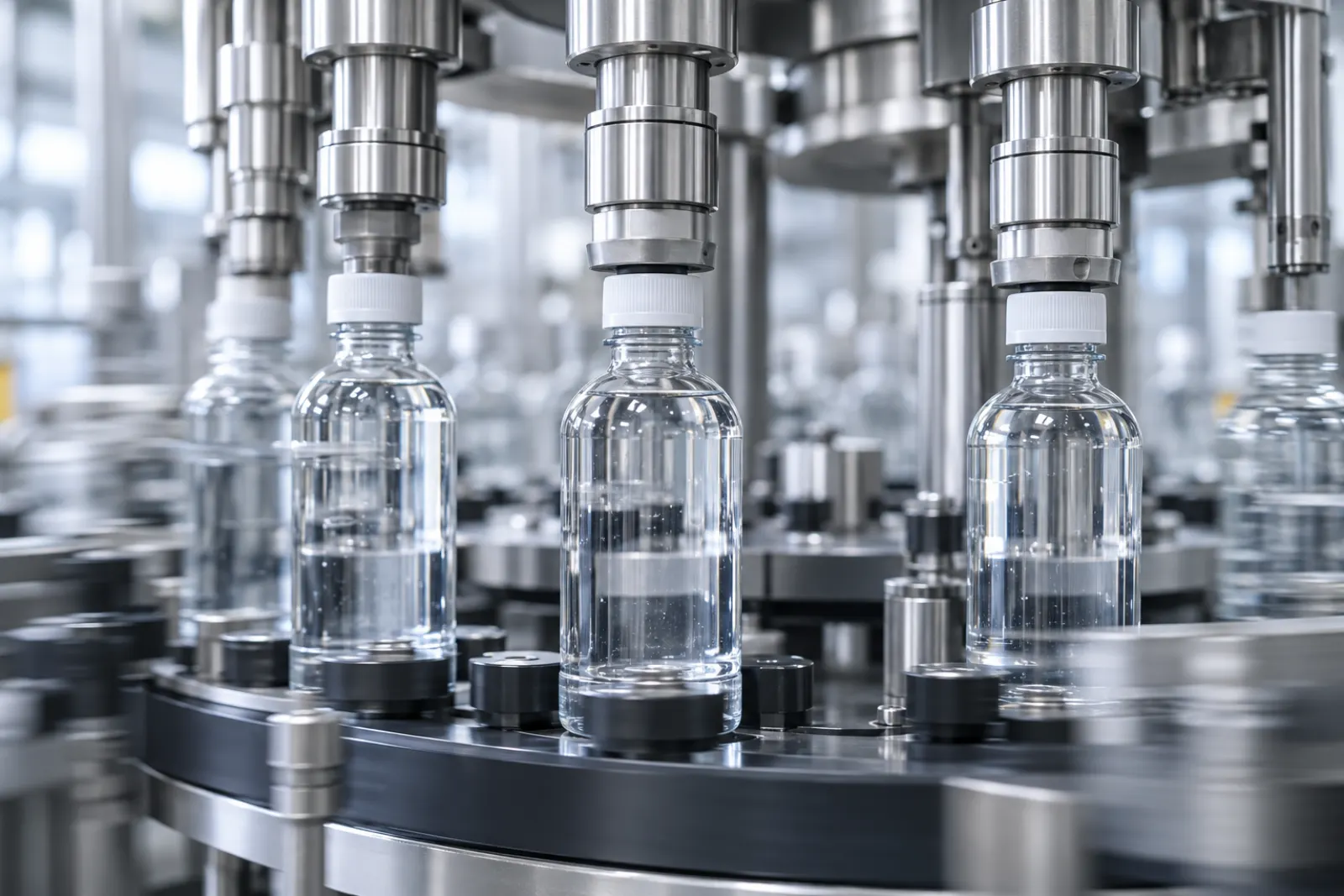
Bottle Capping Machine Selection: Caps, Torque and Changeover
How to match a capping machine to the closure and bottle finish: cap types, application vs removal torque, heads, change parts and pre-purchase validation.
Read the guide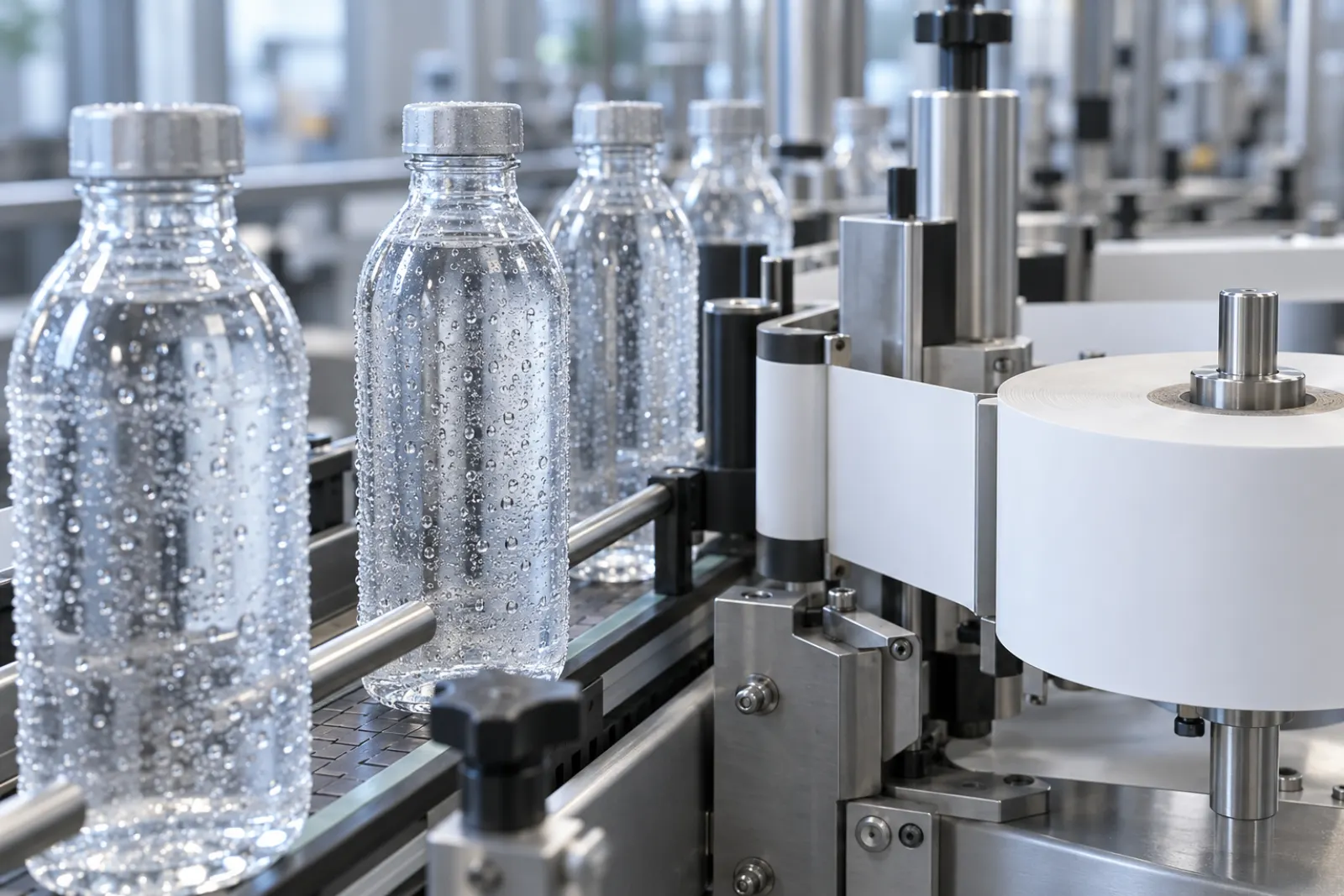
Labeling Cold and Wet Bottles: Label, Adhesive and Machine Checks
A technical checklist for labeling cold, condensing bottles: container surface, label stock, adhesive and labeler settings, plus a trial on production bottles.
Read the guide
Green Bottle Spring Water: A Historical Packaging Case Study
A source-based case study of Green Bottle Spring Water, a PLA-bottled water of 2008 to 2011: dated company claims, evidence limits and open questions.
Read articleMore in Applications
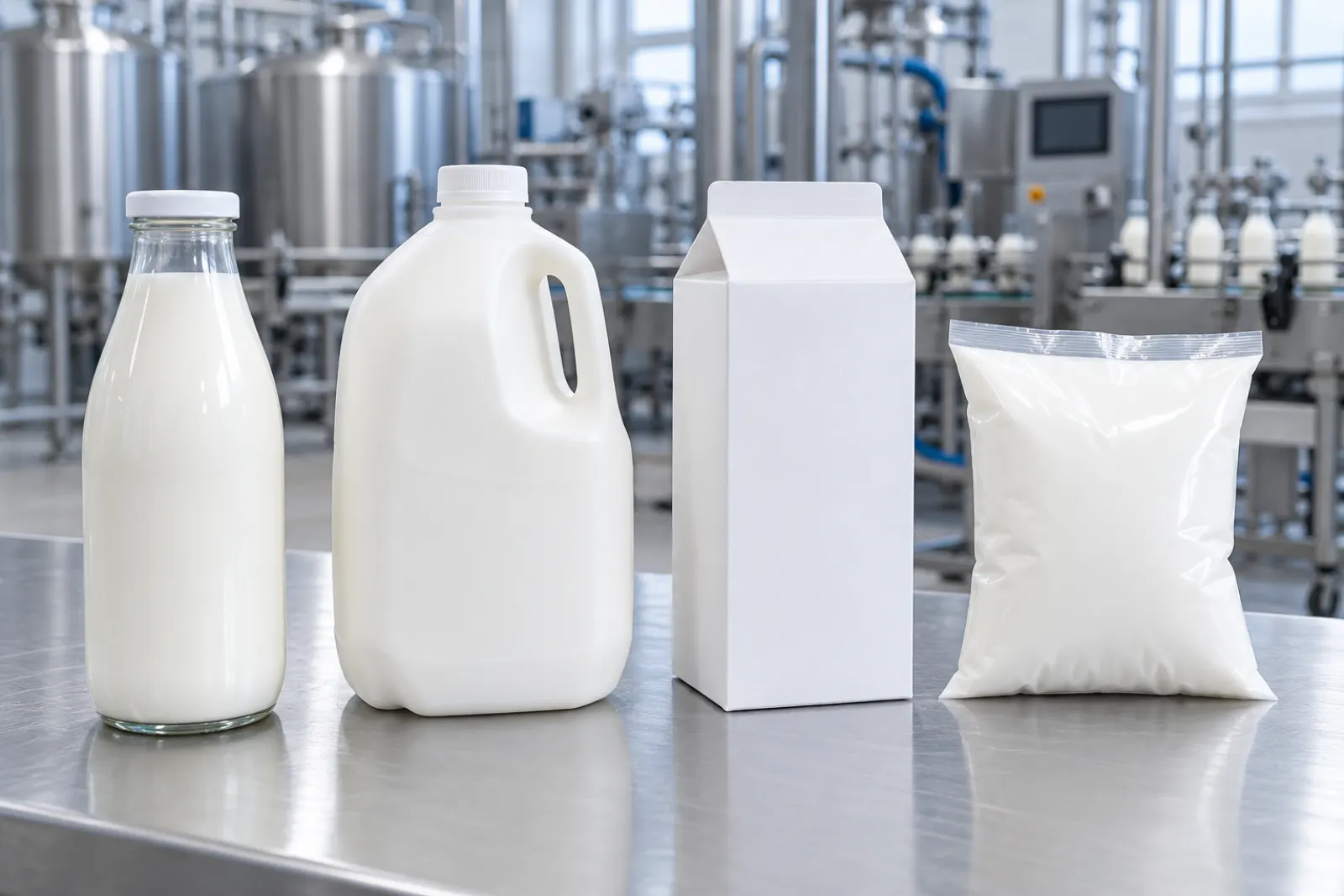
Milk Packaging Formats: Bottles, Cartons and Pouches
How to choose a milk packaging format by heat treatment, cold chain and light exposure, and what bottle, carton and pouch formats mean for filling equipment.
Read the guide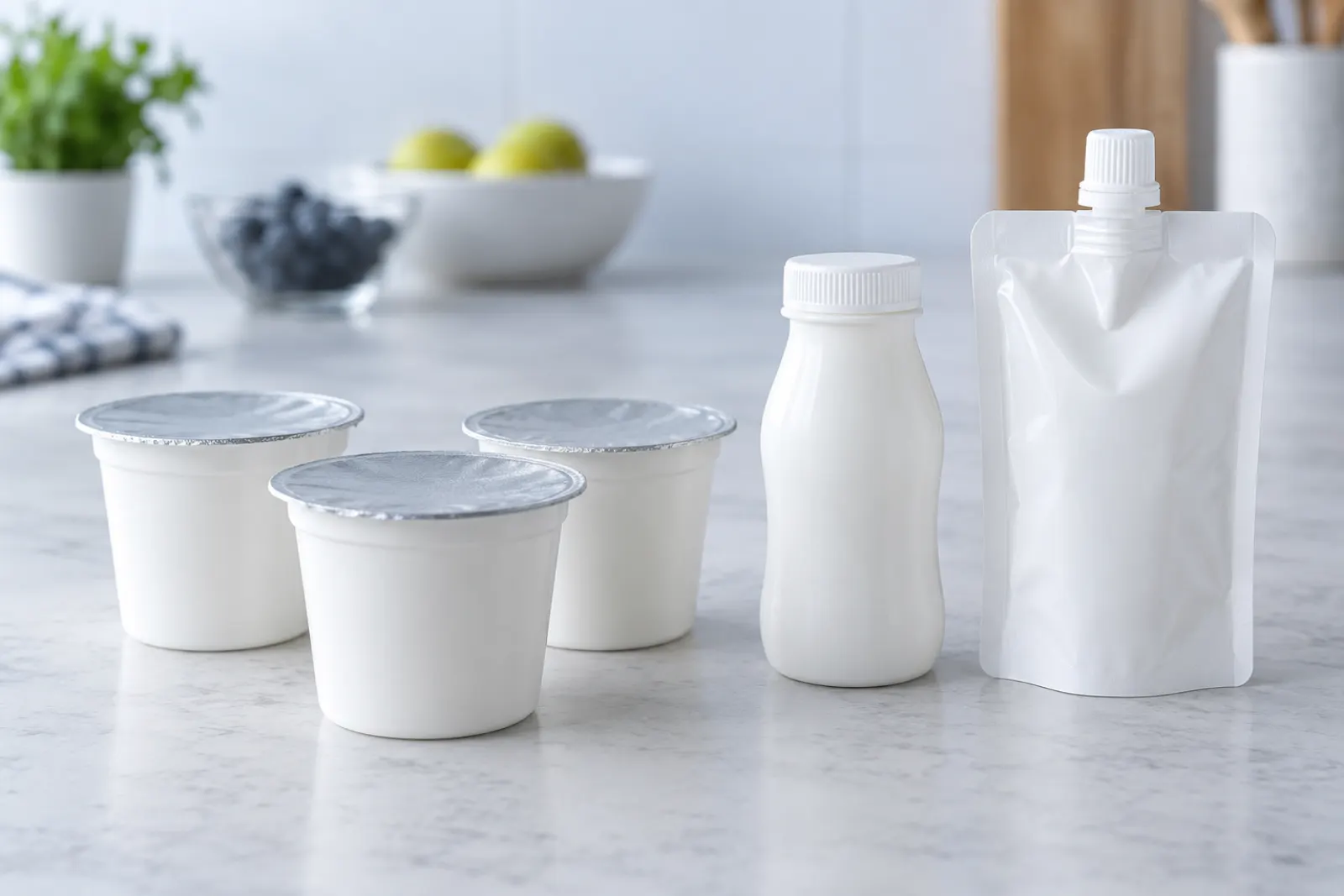
Yogurt Packaging: Cups, Bottles and Pouches for Different Products
Match yogurt packaging to product type: set, stirred, drinkable or squeeze. Compare cups, bottles and spouted pouches and their filling and sealing needs.
Read the guide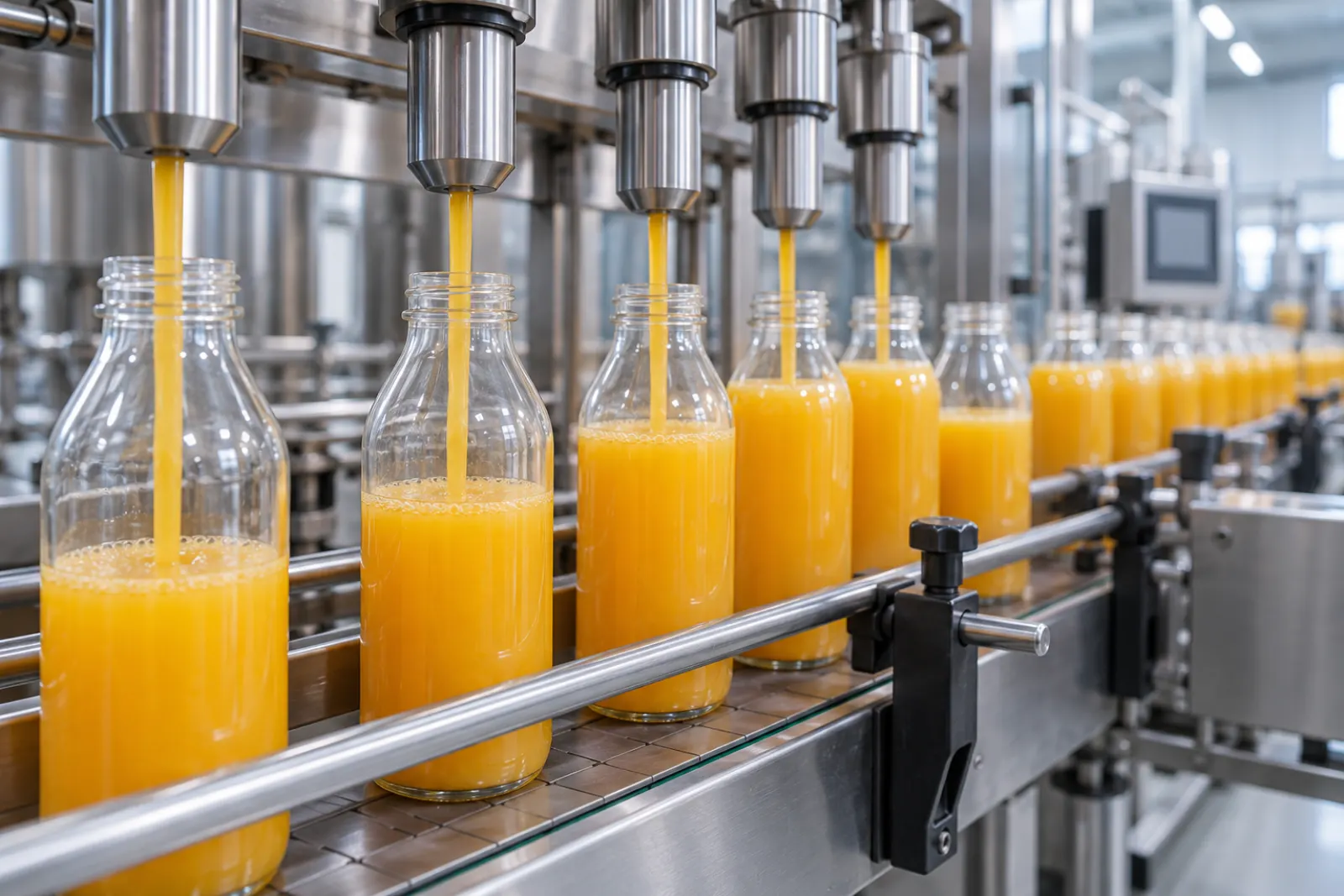
Juice Filling and Packaging: Choosing a Process Before a Machine
Plan juice packaging product-first: chilled, hot fill, HPP or aseptic, then container and filler. Concepts only; process validation stays with the processor.
Read the guide