
Yogurt Packaging: Cups, Bottles and Pouches for Different Products
Match yogurt packaging to product type: set, stirred, drinkable or squeeze. Compare cups, bottles and spouted pouches and their filling and sealing needs.
What this article covers
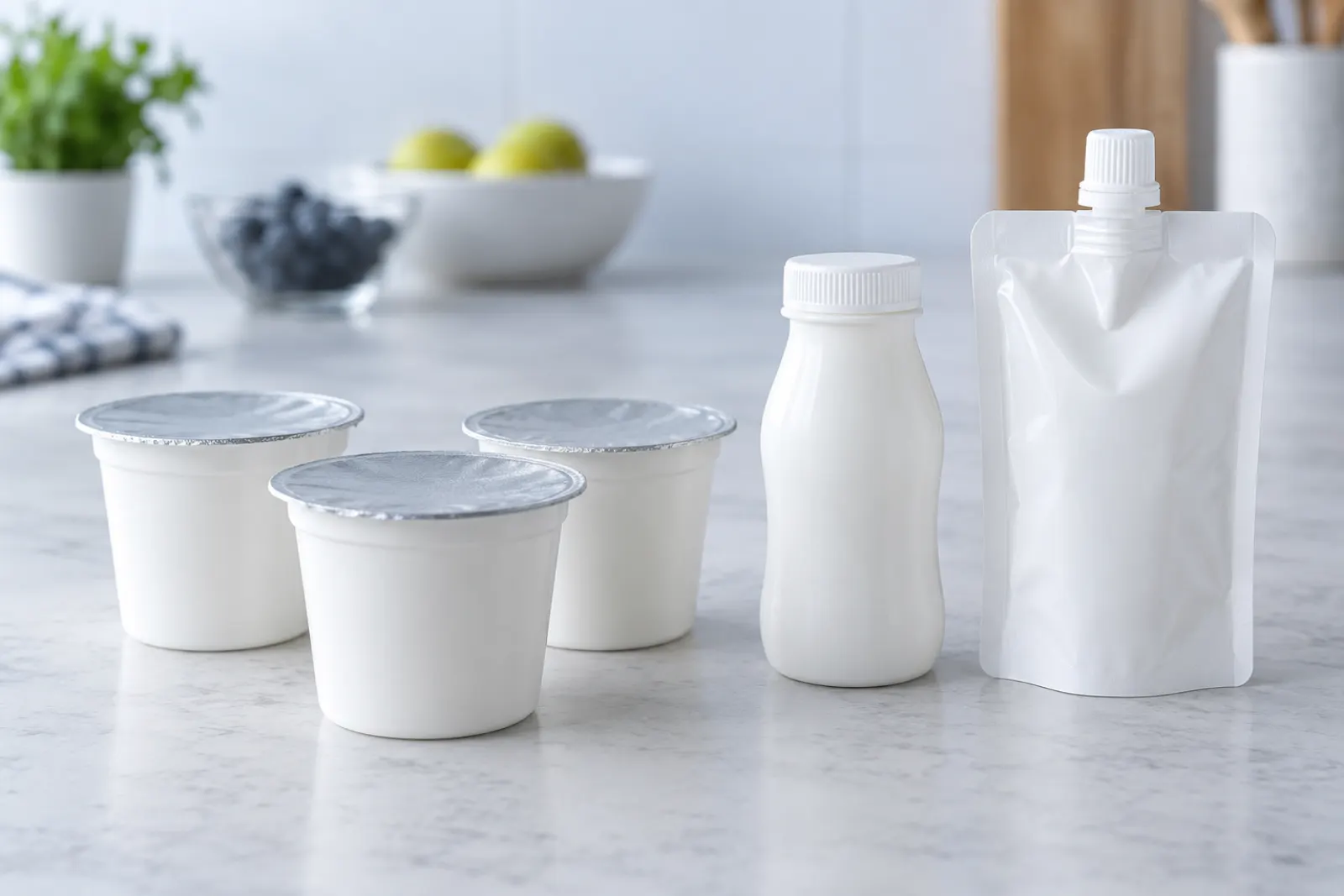
This guide helps yogurt producers and equipment buyers choose between cups, bottles and spouted pouches by starting from how the product is made, because set, stirred, drinkable and squeeze yogurts are filled at different points and with different flow properties.
Covered
- Set, stirred and drinkable yogurt and where each is filled relative to fermentation
- Cup, tub, bottle and spouted-pouch formats and their filling and sealing implications
- Particulates, viscosity and closure considerations for equipment selection
Not covered
- Fermentation recipes, culture selection and product formulation
- Shelf-life claims, microbial safety outcomes and nutrition or consumer topics
Selecting a yogurt container without its filling stage can mismatch the filler to the product’s viscosity and handling needs. Establish whether filling comes before or after fermentation, then match the package and closure.
Scroll horizontally for any hidden columns →
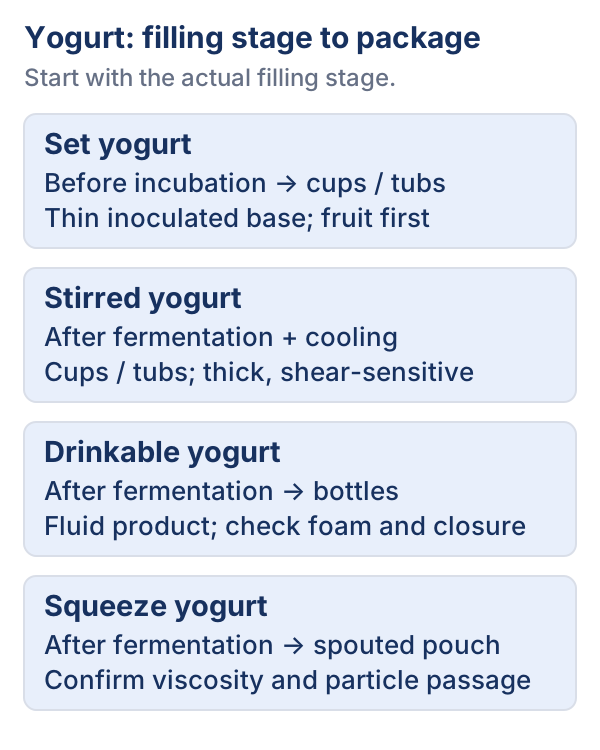
| Product type | When filled | Typical container families | What the filler sees |
|---|---|---|---|
| Set | Before incubation, as an inoculated milk base | Cups and tubs with a sealed lid | A thin, warm liquid; fruit or other particulates are placed in the cup first |
| Stirred | After fermentation and cooling | Cups, tubs, sometimes pouches | A thick, shear-sensitive product, often with fruit metered in on the way to the filler |
| Drinkable | After fermentation, as a fluid | Bottles with caps | A low-viscosity liquid; foaming and cap sealing matter |
| Squeeze | After fermentation | Spouted pouches | A viscous product, possibly with soft pieces that must pass through a spout |
The four rows are a planning framework from the cited process references; record your actual formulation, temperature and particles before specifying equipment.
Step 1: Where is the product filled?
What matters first is whether the package is filled before or after fermentation. According to the Tetra Pak Dairy Processing Handbook, a supplier’s technical reference, set yoghurt is packed first and fermented and cooled in the package, while stirred yoghurt is fermented in tanks, cooled, and then filled. A peer-reviewed food safety paper describes the same split: set yogurt “is packed, then incubated,” and is incubated in retail containers to keep the gel structure intact, whereas stirred yogurt is incubated in tanks and then broken before cooling and packing. The same paper describes drinking yogurt as following the tank route but ending with a liquid texture.
The opening table maps the filling stage to the package and product state.
Step 2: What the product requires of the equipment
Set yogurt in cups
The Tetra Pak handbook describes the set route this way: the inoculated milk is reheated in line to the incubation temperature just before filling, fruit or particulates must be placed in the cups before the inoculated milk is filled, and filled packages then sit in an incubation room, where they must not be disturbed during the later part of incubation. The packages are cooled in the package afterward.
What this means for the equipment:
- The filler works with a thin liquid, so accuracy and dripping control are easier than with a thick product, but the cup must hold the product warm and unsettled.
- Fruit dosing happens before the milk base, so the line needs a particulate depositor ahead of the filler.
- Handling after sealing matters. Cups go into crates or trays for incubation, so the sealed lid and the cup wall must survive that handling.
- Cup and lid film choice affects sealing, because the lid is the barrier and the hermetic closure.
The IFT’s Food Technology column states that chilled-distribution containers should have hermetic closures, typically heat-sealed foil lids. That is an author’s statement about chilled products; your own specification still needs to define lid material, seal strength and leak checks.
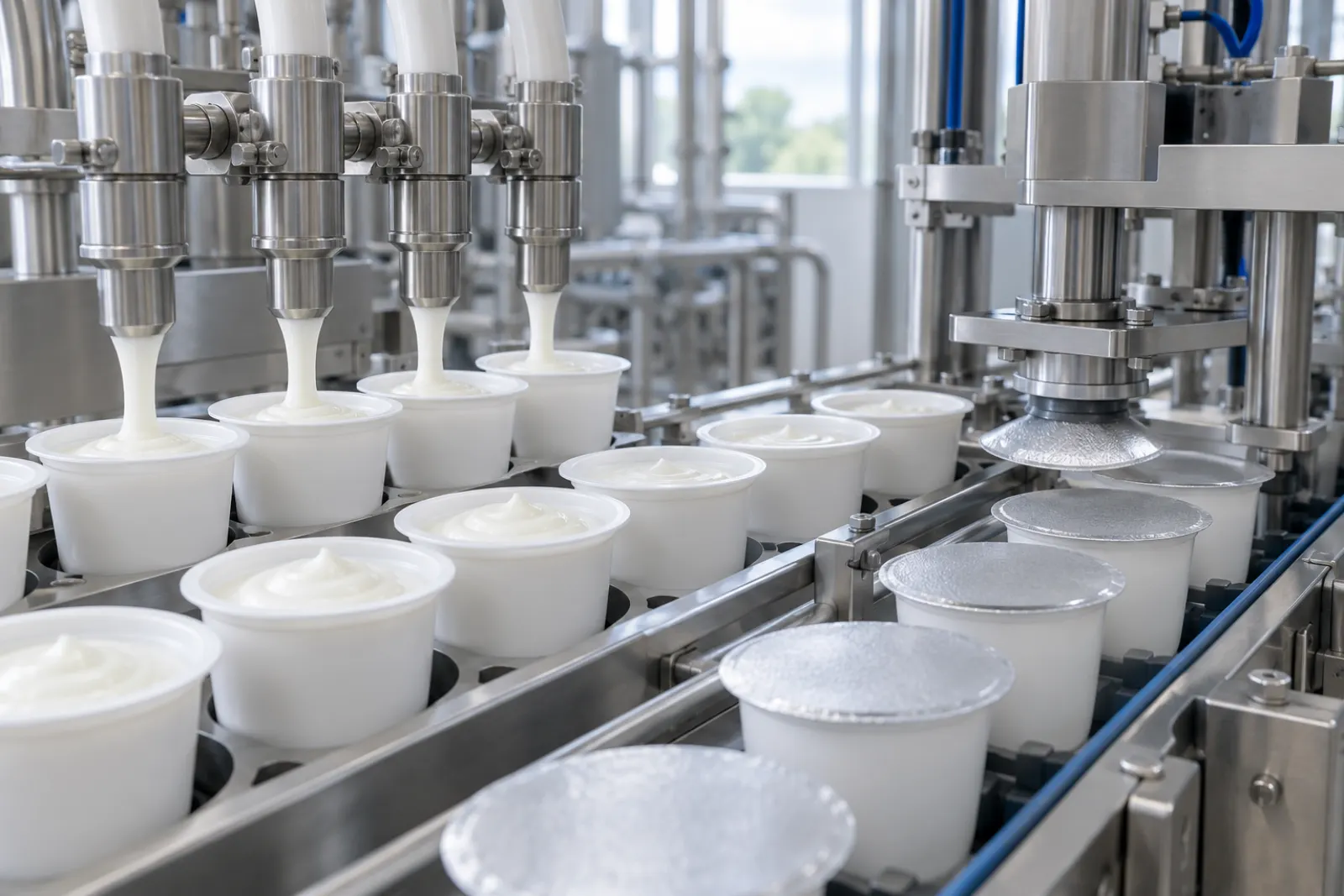
A station-by-station description of cup filling and sealing, with a buyer’s checklist, is in yogurt cup filling and sealing machines.
Stirred yogurt in cups and tubs
According to the Tetra Pak handbook, stirred yoghurt is cooled gently in a plate heat exchanger after fermentation, held in buffer tanks, and flavor or fruit is metered in through a mixer on the way to the filler. The handbook states that too much mechanical handling lowers viscosity and causes whey separation, and that time in buffer tanks should be kept short. This feeds directly into equipment selection, since any pump, valve, pipe bend or filling nozzle that shears the product can change what ends up in the cup.
In practice:
- Choose product pumps and filling principles that handle a viscous, shear-sensitive product gently. Liquid filling methods explains how volumetric piston and other principles differ in how they handle viscous products.
- Check nozzle and valve openings against the largest fruit piece, not the average.
- Plan for the line to hold product for as short a time as possible between the tank and the filler.
- Ask the supplier how it controls product on the cup rim, and compare clean-rim and contaminated-rim samples in the agreed sealing trial.
Drinkable yogurt in bottles
Drinkable yogurt is filled as a liquid, so many of the decisions come from bottle filling: container material, neck finish, cap, and the cap seal. The Food Technology column lists polyester, barrier polyester, or polyethylene/EVOH coextrusion as bottle options for oxygen barrier in ESL systems, and cautions that polyethylene interiors can scalp flavor over long distribution. Treat that as one author’s statement on ESL beverages and check it against your own product and container grade.
For material comparison, see beverage bottle materials. For closures, bottle capping machine selection covers the cap, finish and torque matching.
This article assumes refrigerated distribution. The Food Technology column states that low-acid ESL products must be refrigerated, and that ESL packages approach, but do not necessarily achieve, sterility. Your regulator and process authority define what applies to your plant.
Squeeze yogurt in spouted pouches
Spouted pouches combine flexible film with a fitment. Request the documented viscosity and particulate limits for the proposed filler, and test the actual product through its nozzle, valve and spout; a machine description for another product does not establish your operating window.
For the pouch line:
- Verify the pouch film structure and spout material against your fill temperature, cooling, and cold storage.
- Decide whether the cap is applied in the same machine or in a separate station.
- Confirm how the machine detects pouch presence and avoids filling an unseated pouch.
- Plan secondary packaging, because pouches stack and cartonize differently from cups.
If you are weighing pouch against bottle for a drinkable product, bottle vs. pouch packaging lists what changes in filling, sealing, conveying, packing and changeover.
Step 3: Container and closure comparison
Scroll horizontally for any hidden columns →
| Format | Strengths to evaluate | Limits to evaluate |
|---|---|---|
| Cup or tub with heat-sealed lid | Hermetic closure is typical for chilled products according to the IFT column; suited to set and stirred products | Seal quality depends on cup rim, lid film and sealing parameters; product on the rim can interfere; lid and cup must match |
| Bottle with cap | Familiar to bottle lines; reclosable | Suited to fluid products; foaming, headspace and cap torque need attention; barrier choices vary |
| Spouted pouch | Flexible film; spout and fitment add components to specify | Spout size limits particulates; fitment and film must suit fill temperature; equipment scale varies widely |
The table compares conceptual categories. It does not rank them. For milk-based beverages in bottles and cartons, see milk packaging formats, where light protection and cold-chain concerns are discussed in more depth.
Project data checklist
Collect this information before you request quotes.
- Product type: set, stirred, drinkable or squeeze, and whether the same line must run more than one
- Viscosity range at filling temperature, and how it changes during the run
- Particulates: type, maximum size, and percentage by weight (from your formulation)
- Fill temperature and cooling route after filling
- Fill volumes, number of sizes, and target tolerance
- Container material, dimensions and supplier; lid or closure specification
- Output per hour, shifts and cleaning time
- Cleaning method and sanitary design expectations for product-contact surfaces
- Coding and inspection (date code, seal check, fill check, foreign material)
- Secondary packaging and cold-storage conditions
What needs project-specific validation
The sources describe general routes. These items need validation on your own product and line.
Copy this record for each formulation, packaging lot and filling setup. Agree the method and acceptance rule before the trial; leave unconfirmed fields blank.
Scroll horizontally for any hidden columns →
| Trial check | Sample / conditions | Method / acceptance rule | Result / record | Owner |
|---|---|---|---|---|
| Shear | Agree viscosity checks before and after the fill path | |||
| Particulate passage | Inspect largest pieces after nozzle / valve / spout | |||
| Seal area contamination | Compare agreed rim conditions; record seal and leak checks |
Takeaway: Carry the recorded results into the factory acceptance test plan rather than treating a successful sample fill as complete acceptance.
- Incubation or cooling handling (set yogurt): crates, trays and conveying must not disturb the product while it is setting.
- Barrier and flavor behavior: whether the selected bottle or pouch film is acceptable for your product over your distribution time.
- Hygiene concept: whether your filling, sealing and cleaning approach meets the requirements of your regulator and process authority. This article does not establish compliance.
- Shelf life: the shelf life you intend to declare, under your actual temperature history.
- Secondary packaging: stacking, case and pallet stability under cold and humid conditions.
Questions to ask suppliers
- Which product types (set, stirred, drinkable, squeeze) and viscosity ranges is this machine specified for, and where is that stated in the documentation?
- What are the largest particulate size and the maximum particulate content it can handle, and how was that figure obtained?
- How does the filling system limit shear on thick, shear-sensitive product, and can it fill a thin base liquid as well?
- How are cup, lid or film and spout materials matched to the machine, and which items can we source from other suppliers?
- What are the heat-sealing parameters and controls, and what in-line check detects a defective seal?
- How is the sealing area kept clear of product, and what happens when it is not?
- How is the machine cleaned between products and at end of production, and what must be disassembled?
- What changeover parts are needed for each cup, bottle or pouch size, and how long is a typical changeover?
- What sample-fill trials can be run with our product and packaging materials, and what will be recorded and shared?
- What documentation do you supply for food-contact materials, sanitary design and electrical safety?
- What utilities, floor space and drainage does the line require?
- What are the written acceptance criteria for factory and site acceptance?
The RFQ checklist provides a structure for sending the same project data to each supplier so the replies can be compared.
Sources and method
This article is based on documentary research of the sources listed. It is not a hands-on equipment test. Supplier statements and editorial judgement are identified in the text.
- Dairy Processing Handbook: Fermented milk products Supports: supplier documentation of the set and stirred yoghurt process routes, including where fruit is added, incubation in the package for set yoghurt, and gentle handling of stirred yoghurt.
- Plain set and stirred yogurt with different additives: implementation of food safety system as quality checkpoints Supports: set yogurt is packed then incubated in retail containers; stirred yogurt is incubated in tanks; drinking yogurt follows the tank route with a liquid texture.
- Extended-Shelf-Life Packaging Supports: chilled-distribution containers should have hermetic closures such as heat-sealed foil lids; bottle barrier options and a flavor-scalping caution for polyethylene interiors; residual sterilant must be removed.
- Aseptic and Extended-Shelf-Life Packaging Supports: low-acid ESL products must be refrigerated; ESL packages approach but do not necessarily achieve sterility.
Next reading
Cup Filling and Sealing Machines for Yogurt: A Buyer’s Checklist
A buyer's checklist for yogurt cup filling and sealing machines: stations, cup and lid compatibility, seal checks, cleaning, and questions to put to suppliers.
Read the guide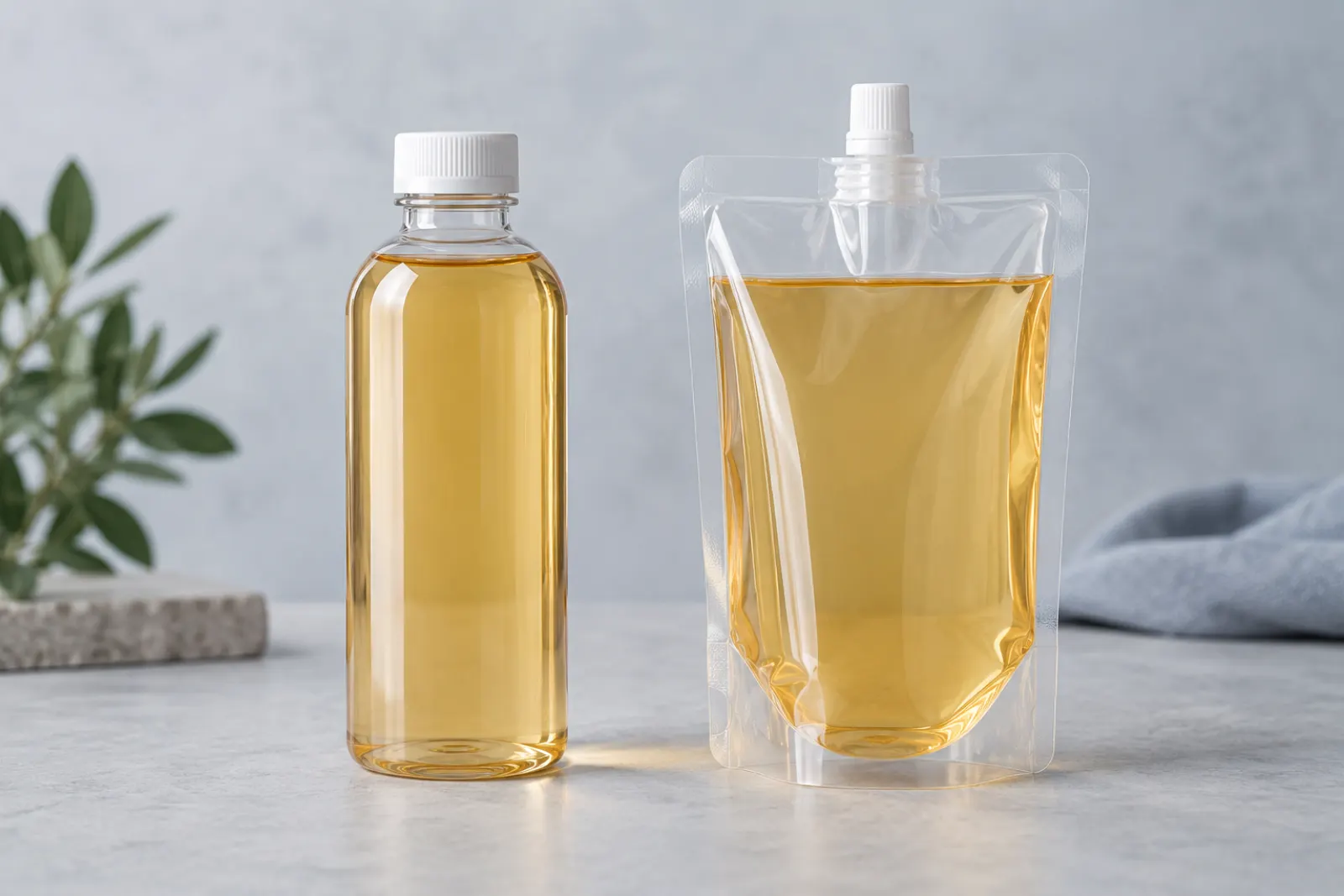
Bottle vs Pouch Packaging: What Changes on the Production Line?
Moving a liquid product between rigid bottles and flexible pouches changes filling, closing, conveying, changeover and cases. Use this guide to scope the work.
Read the guide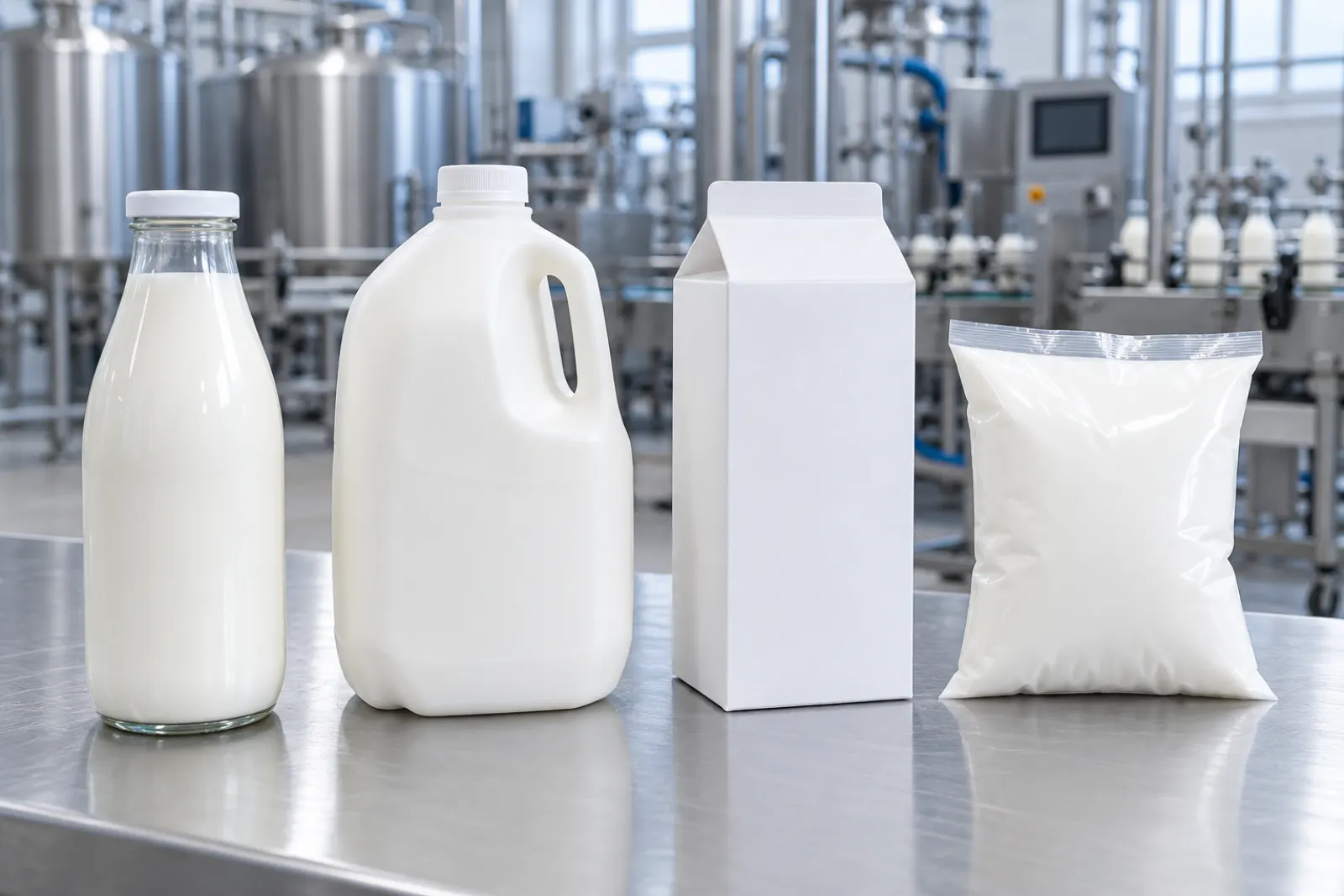
Milk Packaging Formats: Bottles, Cartons and Pouches
How to choose a milk packaging format by heat treatment, cold chain and light exposure, and what bottle, carton and pouch formats mean for filling equipment.
Read the guideMore in Applications
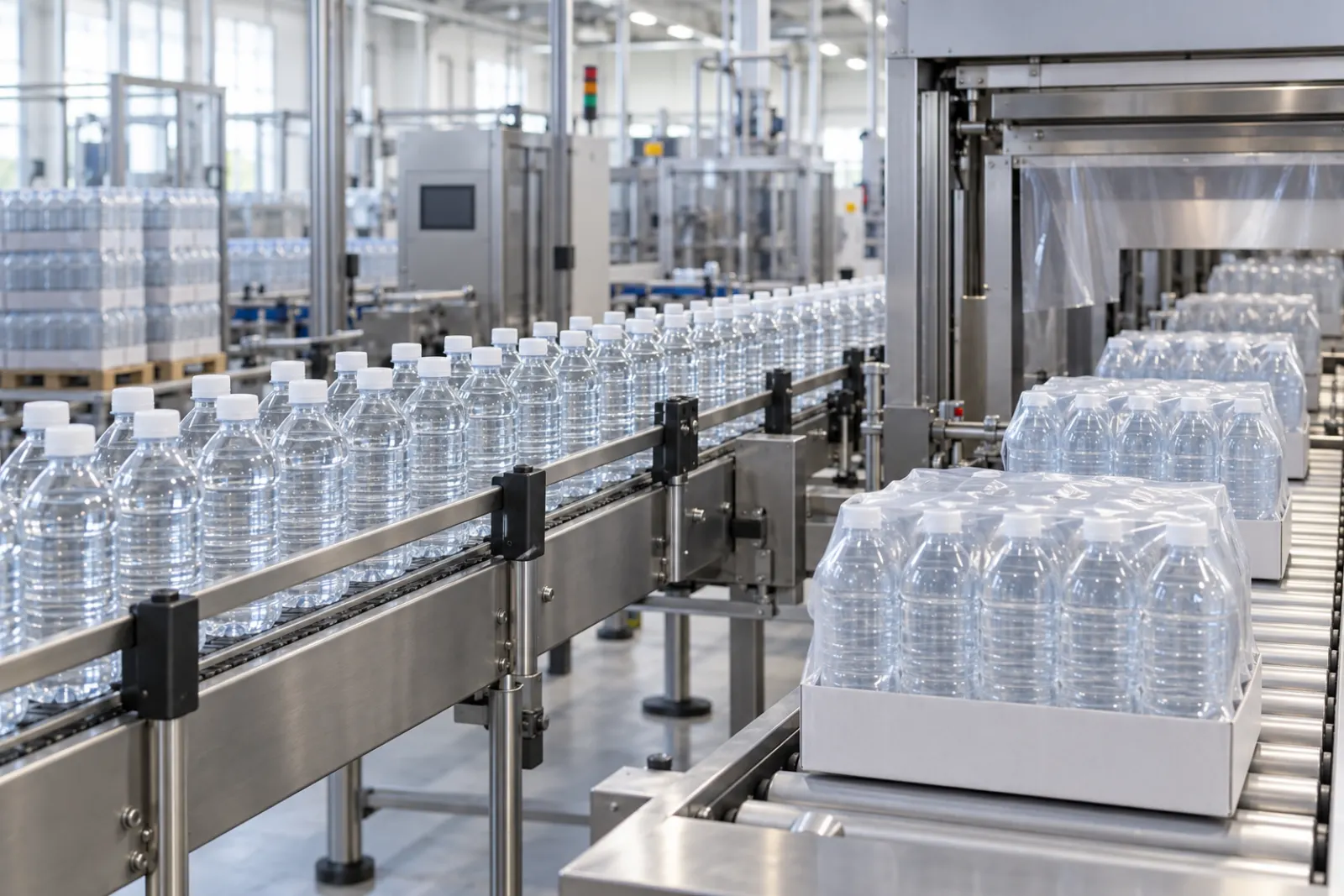
Bottled Water Packaging Lines: From Prepared Containers to Packed Cases
Plan a bottled water packaging line from container supply to palletizing: rinsing, filling, capping, labeling, coding and the interfaces between stations.
Read the guide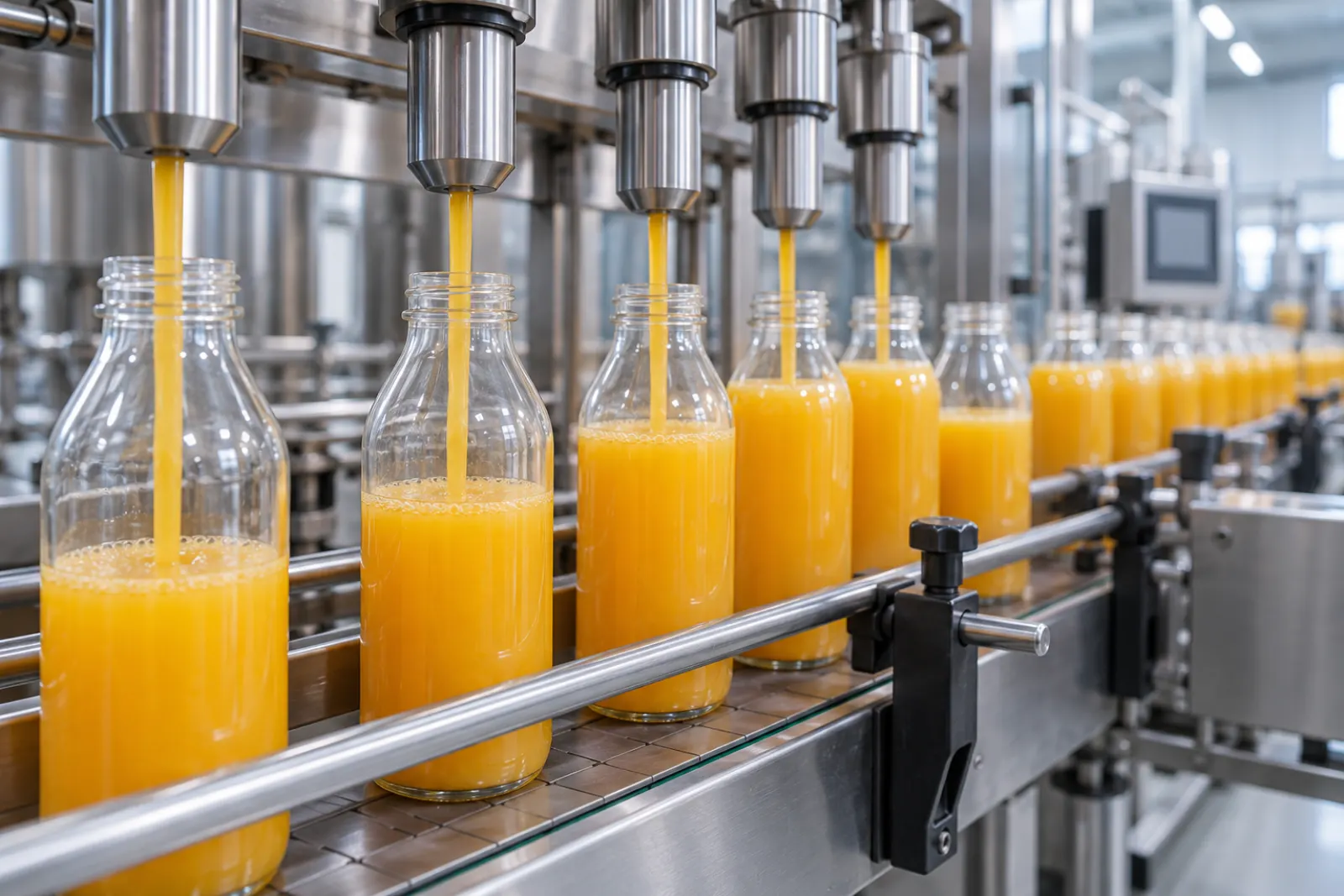
Juice Filling and Packaging: Choosing a Process Before a Machine
Plan juice packaging product-first: chilled, hot fill, HPP or aseptic, then container and filler. Concepts only; process validation stays with the processor.
Read the guide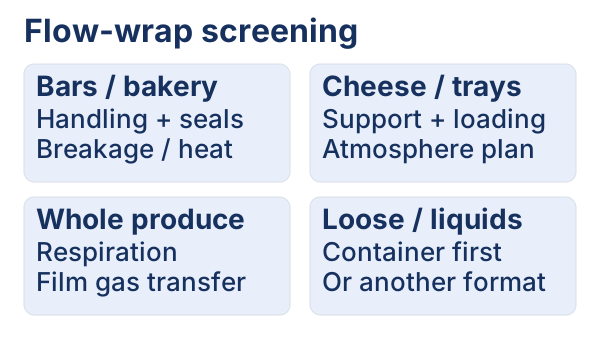
Which Foods Are Flow Wrapped? Bars, Bakery, Cheese and Produce Compared
Poor conveyor handling or a mismatched seal can damage food. Screen flow wrapping by solid unit, stack or tray, then check film and atmosphere.
Read the guide